Venues / The Classic Center Athens
The Classic Center Athens
Authoritative planning resources for trade shows, exhibits, and corporate events at the Classic Center in Athens, supporting Atlanta-market programs across regional drive-access venues.
The Classic Center Within Atlanta's Distributed Trade Show Landscape
Atlanta trade show and convention demand divides across distinct practical operating zones rather than concentrating solely in the urban core. The downtown district formed by the Georgia World Congress Center, Centennial Olympic Park, and AmericasMart handles flagship exhibits and large-scale activations, while airport-corridor venues such as the Georgia International Convention Center and Gateway Center Arena support fly-in convenience. Northwest suburban options like the Cobb Convention Center and northeast facilities including the Gas South Convention Center capture corporate, association, and community programs.
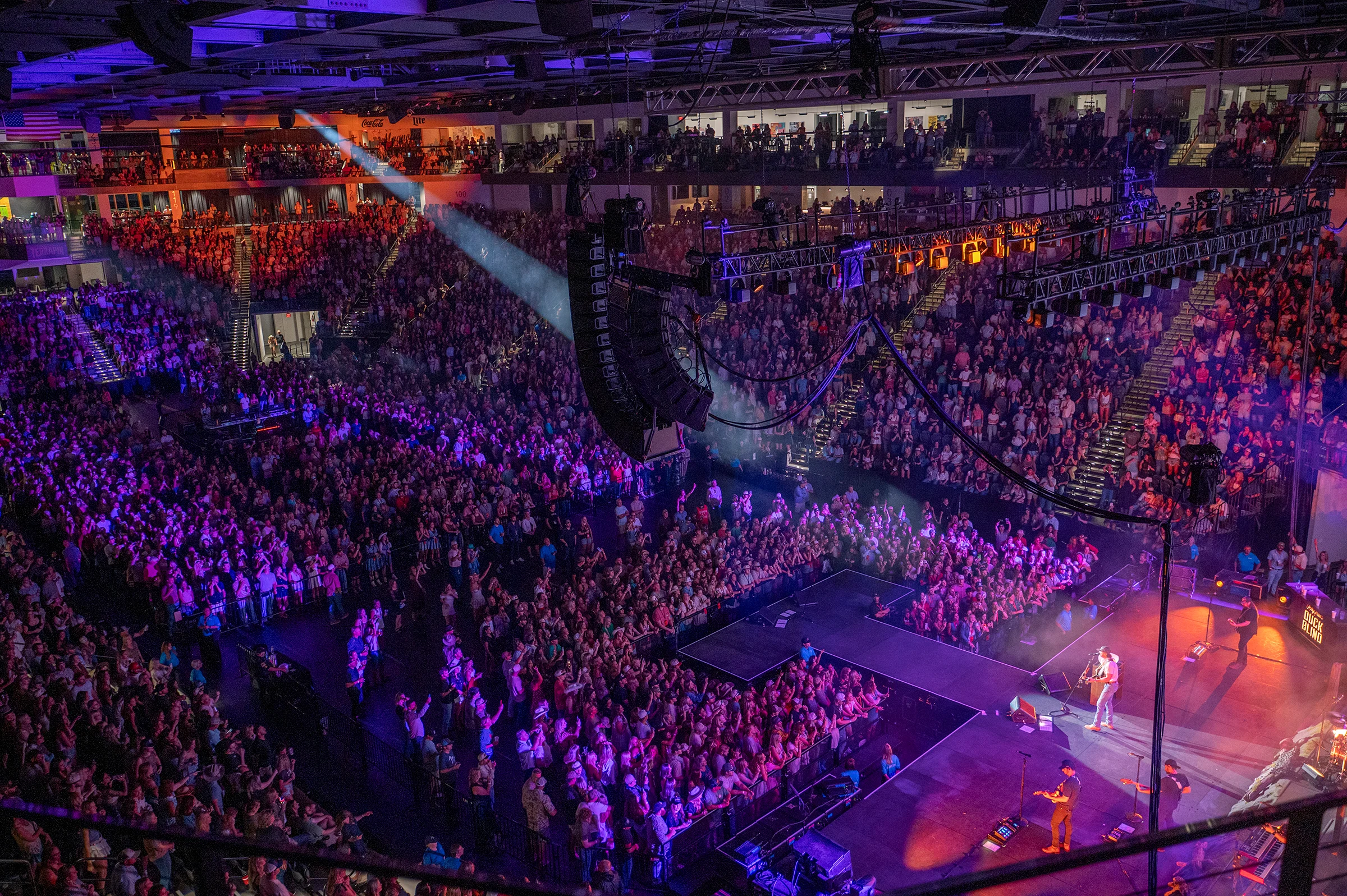
The Classic Center in Athens extends this distribution as a regional drive-market option. It serves organizations whose events benefit from proximity to the University of Georgia community and a college-town atmosphere while remaining accessible from Atlanta's established infrastructure. Planning resources therefore bridge these environments by translating downtown-level program standards into execution strategies suited to the venue's scale and location.
This positioning avoids a One Size Fits All downtown posture. Instead, coordination emphasizes how each venue cluster contributes to the overall Atlanta market radius. For the Classic Center, this means developing exhibit plans that maintain visual impact and functional performance without relying on the dense vendor ecosystems immediately surrounding GWCC or AmericasMart.
Strategic Exhibit Planning Processes for Athens Events
Planning exhibits for the Classic Center begins with clear definition of program objectives and how they map to the venue's configuration of ballrooms, theater spaces, and flexible exhibition areas. Authoritative coordination resources help translate these objectives into scaled designs that optimize traffic flow and engagement without assuming on-site fabrication or storage capabilities in the immediate market.
The process prioritizes early-stage analysis of event schedules, expected attendance patterns, and integration points with surrounding programming. Because the Classic Center operates as a regional complement to Atlanta's core venues, plans must address the transition from Atlanta-based preparation to venue-day execution, including buffer time for transport along major corridors such as US-78 or GA-316.
Detail-oriented blueprints focus on modular components that adapt to varying room setups while preserving brand consistency. This planning discipline ensures activations remain effective whether supporting a 500-person conference session or a larger consumer-oriented showcase, always within the operational parameters documented for the facility.
Operational Coordination Across Atlanta Regional Venues
Coordination for the Classic Center differs from downtown Atlanta venues in its emphasis on self-contained planning rather than reliance on dense on-site service clusters. Resources position the venue as part of a broader network that includes Cobb Convention Center and Gas South facilities, where successful programs depend on advance alignment of all external partners.
Key operational details include precise scheduling of deliveries, setup windows, and dismantling sequences that respect both Athens-specific requirements and the need to return materials efficiently to Atlanta hubs. Planning guidance stresses documentation of all power, rigging, and access parameters well ahead of deadlines to prevent last-minute adjustments common in tighter urban loading environments.
By treating the Classic Center as an extension of the Atlanta market rather than an isolated site, coordination maintains program integrity. This includes contingency planning for weather impacts on drive routes and synchronization with association or corporate calendars that may span multiple Georgia venues within the same quarter.
Transportation and Timeline Management from Atlanta
Effective planning for the Classic Center requires explicit attention to drive times, equipment transport, and personnel movement from Atlanta preparation centers. Unlike venues directly served by MARTA or SkyTrain connections such as those in the airport corridor, this location depends on highway logistics that must be factored into every milestone.
Recommended timelines begin earlier than for Cobb or Gwinnett venues to accommodate the additional distance while preserving setup buffers. Coordination resources provide frameworks for sequencing I&D activities, graphic production handoffs, and on-site supervision that align with realistic travel windows without inventing localized execution capabilities.
This disciplined approach ensures materials and components arrive in optimal condition. It also allows for rehearsal of activation elements in Atlanta prior to transport, maintaining the high standards expected across all venues from the Georgia World Congress Center to suburban expo facilities.
Custom Exhibit Solutions for Multi-Purpose Regional Spaces
The Classic Center's combination of theater, ballroom, and flexible hall spaces demands exhibit solutions that transition smoothly between formats. Planning focuses on lightweight, reconfigurable systems that deliver high visual impact while supporting the varied technical requirements of academic, corporate, and association audiences drawn to Athens.
Design coordination prioritizes sight-line optimization, lighting integration, and interactive elements that perform consistently whether the surrounding program is plenary sessions or breakout exhibitions. Resources draw on Atlanta market experience to recommend materials and construction methods proven across suburban venues without assuming venue-specific relationships or on-site labor pools.
The outcome is environments that feel intentional to the Athens setting yet remain fully consistent with programs executed at AmericasMart showrooms or the Gas South Convention Center. This consistency strengthens brand presence across an exhibitor's entire Georgia schedule.
Audience Engagement and Program Differentiation
Events at the Classic Center often attract audiences influenced by the University of Georgia and surrounding communities, creating engagement opportunities distinct from those at Centennial Olympic Park activations or airport-zone conferences. Planning resources analyze these nuances to shape exhibit messaging and interaction strategies that resonate locally while supporting broader campaign goals.
Differentiation from downtown experiences becomes a deliberate coordination element. Where downtown venues emphasize scale and density, the Classic Center allows for deeper, more conversational interactions within a less hurried environment. Exhibit plans therefore adjust density, technology deployment, and staffing models accordingly.
Measuring success at regional venues requires metrics tailored to the setting. Coordination includes frameworks for lead capture, brand recall studies, and post-event debriefs that integrate data from the Classic Center with insights gathered across Atlanta's full venue spectrum.
Best Practices for Multi-Venue Atlanta Schedules
Organizations frequently span multiple Atlanta-market venues within single fiscal years or event cycles. Planning for the Classic Center therefore occurs in context with strategies developed for the Georgia International Convention Center, Cobb Energy Centre, or downtown campuses. This holistic view prevents duplicated effort and ensures consistent visitor experiences.
Timeline templates, asset libraries, and specification documents are standardized across clusters while allowing venue-specific adjustments. Coordination emphasizes knowledge transfer between projects so that lessons from a Gas South consumer show inform planning for an Athens corporate event.
Long-term program management benefits from centralized Atlanta oversight even when individual activations occur in Athens or College Park. This model supports scalability for associations and corporations whose Georgia footprint extends beyond any single facility.
FAQ
How does the Classic Center fit into Atlanta's overall trade show market?
The Classic Center serves as a regional drive-market venue that complements the four primary Atlanta zones: downtown, airport/College Park, Cumberland/Cobb, and Duluth/Gwinnett. It accommodates events that benefit from a college-town setting while remaining logistically connected to Atlanta preparation resources.
What planning differences exist compared to the Georgia World Congress Center?
Events at the Classic Center typically require earlier timeline buffers for highway transport and focus on self-contained coordination rather than dense downtown service networks. Planning emphasizes adaptable exhibits suitable for multi-purpose spaces rather than massive fixed-hall configurations.
What types of programs work best at the Classic Center?
The venue supports corporate conferences, association meetings, specialized trade shows, and community events that match its ballroom, theater, and flexible hall configurations. It functions well for audiences seeking focused experiences distinct from large downtown conventions.
How far in advance should exhibit planning begin for the Classic Center?
Coordination timelines should start earlier than for Cobb or Gwinnett venues to account for additional transport distance from Atlanta hubs. Detailed specifications, asset preparation, and partner alignment are recommended at least four to six months prior for most programs.
Can exhibits be reused across Atlanta venues including the Classic Center?
Yes. Modular and reconfigurable systems planned with Atlanta's full venue spectrum in mind can transition effectively between downtown, suburban, airport, and regional sites when specifications address varying ceiling heights, loading access, and audience densities.
What coordination focus is most important for regional venues like the Classic Center?
Precise timeline management, transport contingency planning, and clear documentation of all technical requirements rank highest. These elements ensure program consistency without dependence on venue-specific infrastructure assumptions.
Related topics
Compare the adjacent Atlanta topics.
Inquiry
Trade Show Displays of Atlanta
Atlanta trade show display programs shaped around venue realities, reusable systems, and cleaner show-floor execution.