
Industries / Manufacturing Expo Services in Atlanta
Manufacturing Expo Services in Atlanta
Atlanta emerges as a strategic powerhouse for manufacturing expos, where organizers leverage four distinct operating zones—downtown Atlanta, the airport and College Park corridor, the Cumberland and Cobb submarket, and the Duluth and Gwinnett corridor—to host events ranging from massive industrial conventions to targeted equipment showcases and supplier networking sessions. Trade Show Displays of Atlanta specializes in coordinating comprehensive planning across these zones, ensuring manufacturing companies position their exhibits effectively amid the city's robust infrastructure for trade shows.
Mastering Downtown Atlanta for Flagship Manufacturing Expos
Downtown Atlanta's convention zone, centered around the Georgia World Congress Center, Centennial Olympic Park, and AmericasMart Atlanta, forms the deepest reservoir of exhibit and activation demand for manufacturing events, where organizers deploy expansive floor plans to accommodate machinery displays, interactive production line simulations, and multi-booth pavilions that simulate factory environments. The GWCC's vast exhibit halls enable configurations for hundreds of manufacturing exhibitors simultaneously, supporting events that blend trade show floors with adjacent conference programming to facilitate deep dives into automation technologies, materials sourcing, and sustainable manufacturing practices. Centennial Olympic Park extends this footprint outdoors, ideal for vehicle prototypes or large-scale equipment unveilings that draw crowds during peak convention seasons.
AmericasMart Atlanta enhances this ecosystem with its market-week cadence, providing permanent showroom spaces repurposed for temporary manufacturing expos, where buyers navigate tiered floors stocked with component samples, tooling demos, and digital twin visualizations. Coordination here demands precise scheduling to align with buyer appointment systems, ensuring manufacturing clients' booths align with high-traffic pathways and thematic zones like advanced materials or precision engineering. Trade Show Displays of Atlanta orchestrates these elements, from load-in protocols through dismantle, to deliver smooth execution amid downtown's layered logistics including pedestrian flows, MARTA connectivity, and hotel proximities.
Planning implications extend to multi-day formats where morning keynotes at GWCC feed into afternoon booth tours at AmericasMart, creating fluid attendee journeys that amplify manufacturing product visibility.
Airport Corridor Efficiency for National Manufacturing Gatherings
The Georgia International Convention Center and Gateway Center Arena at College Park position Atlanta's airport zone as a linchpin for manufacturing expos reliant on fly-in participation, with direct ATL SkyTrain links minimizing travel friction for executives jetting in from Midwest factories or West Coast R&D hubs. GICC's flexible floor plans suit Mid to Large manufacturing trade shows, featuring column-free spaces for overhead crane simulations, conveyor setups, and modular assembly line replicas that demand rapid Install and Strike cycles to match tight conference itineraries. Gateway Center Arena adds arena-scale versatility, accommodating hybrid formats where manufacturing demos incorporate live streams or AR overlays for remote factory tours.
Operational flow in this corridor emphasizes pre-coordinated freight handling via nearby interstates and SkyTrain-adjacent parking, critical for Just in Time delivery of exhibit components like robotic arms or material testing rigs. Trade Show Displays of Atlanta manages these dynamics, syncing venue bookings with airline schedules to optimize attendance peaks and ensure booth readiness coincides with registration opens. This zone's strength lies in its accommodation of fast-turn meeting programs, where manufacturing panels transition directly into hands-on exhibit interactions.
Strategic use of College Park's infrastructure reduces setup times by up to 20% compared to downtown hauls, allowing more focus on engagement tactics like scheduled buyer walkthroughs.
Suburban Venues for Regional Manufacturing Trade Shows
Northwest Atlanta's Cobb Convention Center captures corporate and association-driven manufacturing expos through its ballroom-centric layouts, ideal for intimate supplier summits or regional showcases featuring localized innovations in plastics molding, metal fabrication, and assembly automation. This submarket appeals to Southeast manufacturers seeking cost-effective alternatives to downtown premiums, with ample adjacent parking and highway access facilitating trucking of exhibit freight from nearby industrial parks. Programming here often clusters education sessions with exhibit halls, enabling manufacturing firms to host workshops on lean manufacturing alongside booth consultations.
Further northeast, the Duluth and Gwinnett corridor's Gas South Convention Center broadens suburban appeal, offering expanded exhibit space for community-oriented industrial events that blend trade show elements with workforce development forums. Trade Show Displays of Atlanta coordinates cross-zone strategies, positioning Cobb and Gas South as extensions of primary venue bookings to capture overflow demand or segmented audiences like OEM buyers versus component distributors. These facilities demand tailored planning for lower attendee volumes but higher per-booth interaction rates, with emphasis on AV integrations for virtual factory walkthroughs.
Venue notes highlight Cobb's regional trade show niche and Gas South's corporate event capture, ensuring manufacturing clients leverage both for comprehensive market coverage.
Exhibit Design Tailored to Manufacturing Demands Across Zones
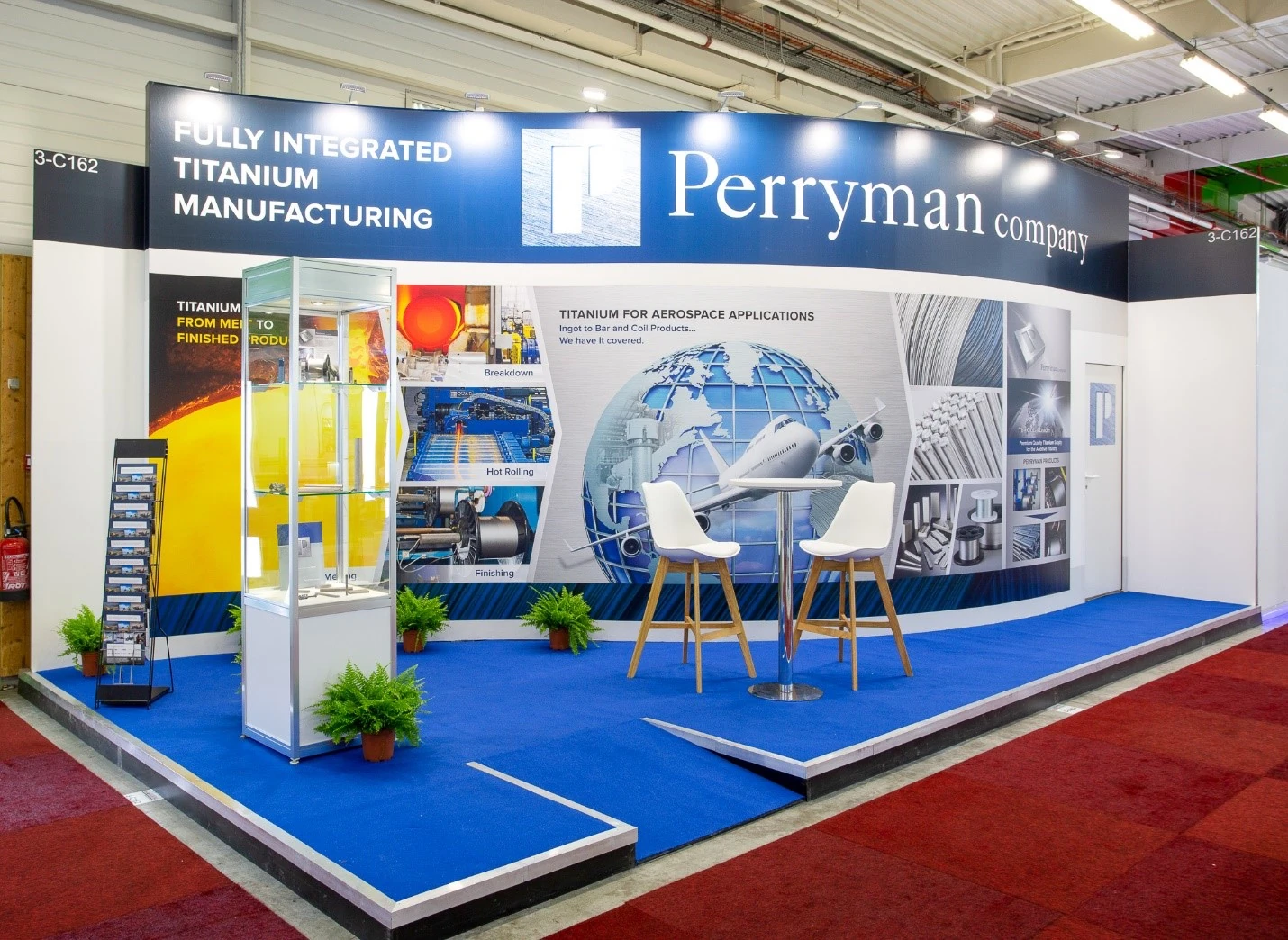
Manufacturing expo coordination in Atlanta hinges on booth designs that adapt to venue idiosyncrasies, such as GWCC's high-bay clearances for towering equipment mockups or GICC's open spans for flow-process diagrams spanning thousands of square feet. Downtown setups prioritize durable, reusable structures resilient to multi-week market cycles at AmericasMart, incorporating modular shelving for part samples and interactive kiosks for CAD model explorations. Airport venues favor lightweight, wheeled configurations for accelerated teardowns, while suburban halls embrace freestanding islands that enhance perceived scale in smaller footprints.
Trade Show Displays of Atlanta emphasizes scalable frameworks, from 10x10 starter booths for startups debuting CNC prototypes to 40x80 pavilions housing collaborative robot cells, all calibrated to venue power grids, rigging capacities, and fire marshal specs derived from operational guidelines. Integration of experiential elements—like haptic feedback stations or material stress-test live cams—elevates manufacturing narratives, drawing engineers into prolonged engagements that convert to RFQs.
Zone-spanning consistency ensures branding continuity, with digital signage syncing across venues to reinforce a manufacturer's Atlanta-wide presence.
Logistics and Timeline Coordination for Smooth Execution
Effective manufacturing expo planning in Atlanta requires meticulous timeline orchestration across zones, starting with advance freight routing to venue docks—GWCC's multiple halls demand phased load-ins to avoid bottlenecks, while GICC's SkyTrain proximity accelerates pallet offloads for time-sensitive demos. Trade Show Displays of Atlanta aligns these with union labor windows, permitting schedules, and attendee peaks, ensuring exhibit peaks align with lunch-hour rushes or post-session surges at Centennial Park.
Cross-zone logistics extend to shared inventory pulls for replicated booth themes, minimizing transport costs between Cobb and downtown runs, and incorporating real-time tracking for compliance with venue floor plans. Dismantle phases factor in next-event turnovers, with suburban venues offering extended strike windows for meticulous packing of sensitive prototypes like 3D-printed components.
Holistic coordination mitigates risks like weather-impacted activations at outdoor-linked sites, delivering predictable outcomes for manufacturing ROI.
Activation Strategies to Drive Manufacturing Leads
Atlanta's venue diversity enables layered activation strategies for manufacturing exhibits, such as GWCC hallway takeovers blending booth traffic with app-driven lead capture for OEM sourcing leads. AmericasMart's showroom paths integrate QR-scannable spec sheets, funneling buyers from casual browses to scheduled deep-dive huddles. Airport arenas like Gateway leverage post-event networking in adjacent lounges, extending exhibit impact beyond hall hours.
Trade Show Displays of Atlanta crafts these into cohesive campaigns, syncing activations with conference agendas to position manufacturing solutions at decision junctures—think pre-keynote teasers at Cobb or Gwinnett wrap-up challenges prompting booth visits. Metrics-focused approaches track dwell times, scan rates, and follow-up conversions, refining future deployments across zones.
Public elements at Centennial Olympic Park amplify virality, with AR-enabled equipment tours shared across social channels to extend reach pre- and post-event.
Scaling Manufacturing Presence Across Atlanta's Expo Network
Coordinating manufacturing expos across Atlanta's four zones unlocks portfolio-wide synergies, where a flagship GWCC presence cascades into satellite activations at GICC for fly-in subsets or Cobb for regional follow-ups, creating a networked buyer ecosystem. Trade Show Displays of Atlanta maps these interconnections, optimizing booth inventories for reuse and staffing models for peak overlaps, ensuring consistent messaging on themes like Industry 4.0 integration or supply chain resilience.
Venue-specific tweaks—like AmericasMart's appointment-driven flows versus Gas South's open-forum vibe—tailor engagement tactics, from VIP tours in downtown to hands-on clinics in suburbs, compounding lead velocity. This turnkey approach spans convention centers, market campuses, airport facilities, and suburban expos, positioning clients as omnipresent forces in Atlanta's manufacturing event circuit.
FAQ
Which Atlanta venues are optimal for large manufacturing conventions?
The Georgia World Congress Center, Centennial Olympic Park, and AmericasMart Atlanta in downtown form the primary cluster for flagship manufacturing expos, supporting expansive exhibits, public activations, and market-week logistics.
How do airport venues benefit manufacturing trade shows?
Georgia International Convention Center and Gateway Center Arena at College Park offer ATL SkyTrain access and fly-in convenience, ideal for fast-turn conferences with efficient exhibit setups for national gatherings.
What role do suburban venues play in manufacturing events?
Cobb Convention Center and Gas South Convention Center handle corporate, regional, and community manufacturing trade shows with ballroom flexibility and submarket accessibility outside downtown.
How is coordination managed across multiple Atlanta expo zones?
Trade Show Displays of Atlanta provides turnkey planning that integrates timelines, logistics, and activations across downtown, airport, Cumberland/Cobb, and Duluth/Gwinnett corridors for comprehensive coverage.
What types of activations suit manufacturing booths?
Interactive demos, AR visualizations, live testing stations, and app-based lead capture align with venue flows at GWCC, GICC, and others to drive B2B engagements.
Why choose Atlanta for manufacturing expos?
Diverse zones enable tailored strategies for large conventions, fly-in events, and regional shows, leveraging infrastructure like GWCC halls and SkyTrain links for maximum exhibitor impact.
Related topics
Compare the adjacent Atlanta topics.
Inquiry
Trade Show Displays of Atlanta
Atlanta trade show display programs shaped around venue realities, reusable systems, and cleaner show-floor execution.