
Locations / Trade Show Display Rental Atlanta GA: Planning Across Downtown, Airport, and Suburban Zones
Trade Show Display Rental Atlanta GA: Planning Across Downtown, Airport, and Suburban Zones
Atlanta's trade show ecosystem spans distinct operational zones from the GWCC flagship cluster to airport-linked facilities and suburban expo centers, requiring precise coordination of rental displays for each venue's unique demands.
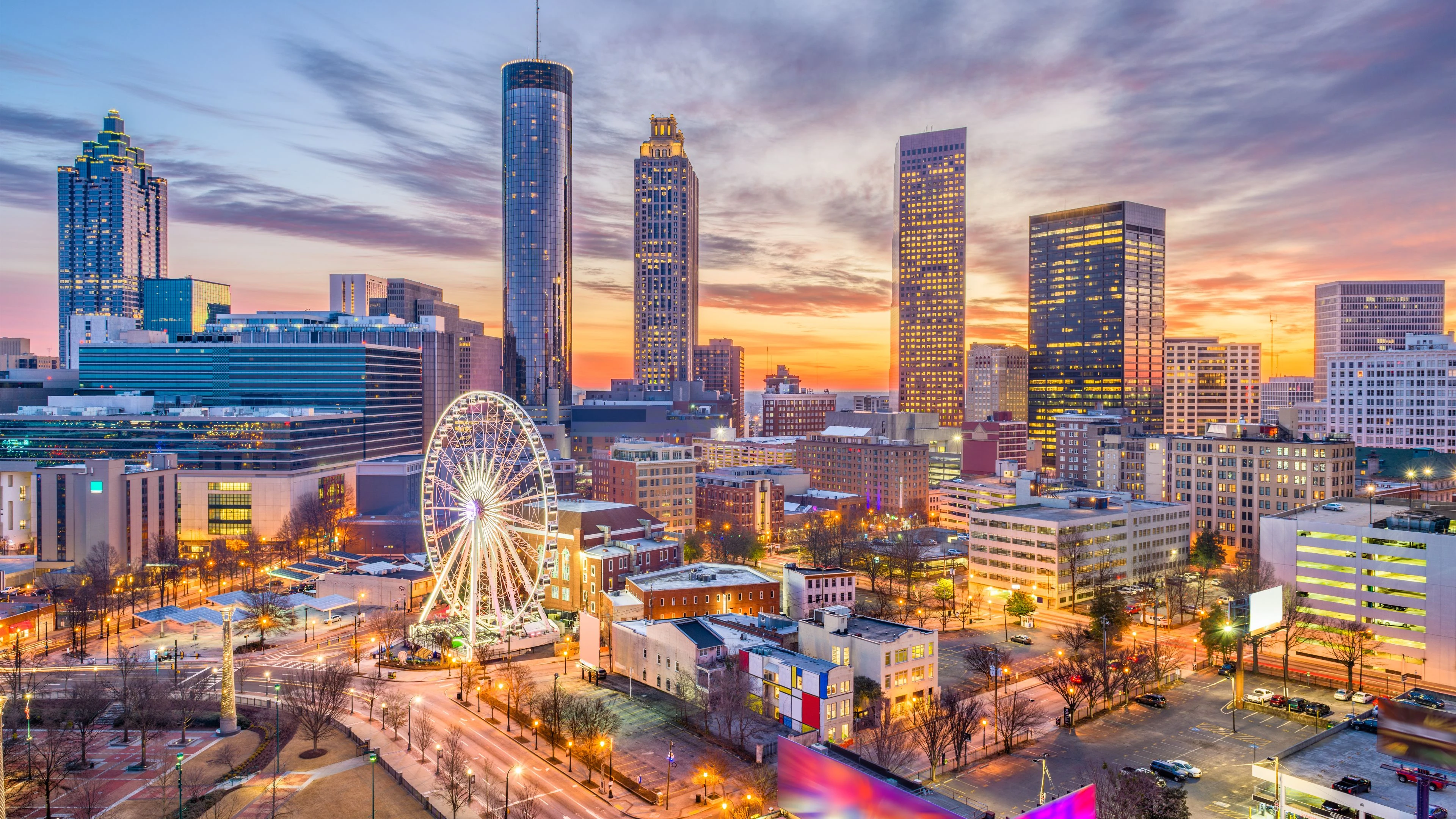
Atlanta's Four-Zone Trade Show Landscape
Research into Atlanta's meetings and conventions market reveals a clear division into four operational zones that influence every aspect of exhibit planning. Downtown Atlanta stands as the primary flagship district where the density of major venues creates overlapping demand for large-scale trade shows, product launches, and industry gatherings. This concentration allows for efficient multi-event attendance but also intensifies competition for standout display solutions that can command attention amid dense programming.
The airport and College Park corridor provides a distinctly different environment optimized for convenience. Venues in this zone are positioned to capitalize on direct air travel access, making them ideal for national associations and time-sensitive corporate events where attendees prioritize minimal ground transportation. Suburban zones in Cumberland-Cobb and Duluth-Gwinnett expand the market reach by capturing events that benefit from lower costs, ample parking, and proximity to regional corporate campuses.
Understanding these divisions prevents One Size Fits All approaches. Rental display coordination must account for variations in move-in timelines, utility specifications, and audience expectations that differ markedly between a downtown convention and a Gwinnett community expo. This zonal awareness forms the foundation for strategic planning that maximizes return on investment across Atlanta's diverse event calendar.
Downtown Atlanta Flagship Venues and Requirements
The downtown cluster designed around the Georgia World Congress Center, Centennial Olympic Park, and AmericasMart represents the highest concentration of exhibit and activation demand in the Southeast. The GWCC offers extensive exhibit halls documented in detailed planning guides that outline dimensional constraints, rigging points, and service access critical for rental display engineering. Planners reference these resources to ensure configurations comply with structural and safety parameters while delivering visual impact.
Centennial Olympic Park introduces opportunities for outdoor and hybrid activations where displays must withstand environmental factors and integrate with large-scale public programming. Meanwhile, AmericasMart operates as a premier wholesale marketplace where permanent and temporary showroom presentations follow distinct aesthetic and functional standards. Rental coordination for these venues often involves modular systems that transition effectively between indoor halls and adjacent park activations.
Successful downtown execution requires early alignment with venue-specific load-in schedules and audience flow patterns. Exhibits targeting professional buyers at AmericasMart benefit from clean, brand-forward designs, while GWCC trade shows may incorporate interactive technology zones. These nuances underscore why district-level differentiation remains central to effective Atlanta planning.
Airport Corridor and College Park Venue Coordination
Venues positioned near Hartsfield-Jackson Atlanta International Airport play a specialized role in the regional market by emphasizing convenience for national and international attendees. The Georgia International Convention Center provides contemporary facilities with floor plans designed for efficient traffic circulation and utility distribution. Its direct connection to the ATL SkyTrain simplifies movement between the airport and exhibit spaces, influencing how rental displays are timed and configured for rapid deployment.
The Gateway Center Arena at College Park complements the convention center with arena-style capabilities suitable for product demonstrations, awards programs, and hybrid events. This corridor's focus on fly-in accessibility means planning must prioritize lightweight, modular rental components that minimize shipping complexity while maintaining high visual standards. Coordination resources emphasize pre-event verification of dimensional tolerances and power requirements unique to these airport-adjacent facilities.
Exhibitors targeting this zone gain advantages when rental strategies account for compressed schedules common to travel-heavy events. Display selections often favor tool-free assembly systems and graphic packages that can be refreshed quickly between shows. These operational details distinguish airport corridor planning from downtown or suburban approaches within the broader Atlanta market.
Suburban Venues in Cobb, Gwinnett, and Beyond
The Cobb and Gwinnett corridors have emerged as vital components of Atlanta's trade show infrastructure by serving corporate, association, and community-driven programming outside the downtown core. The Cobb Convention Center and Gas South Convention Center each capture distinct segments of demand with facilities scaled for mid-sized events that benefit from easier parking, lower density, and proximity to northern business centers. Planning for these venues typically involves rental displays that balance professional presence with practical logistics suited to suburban settings.
Marietta, Smyrna, and Kennesaw locations often host events that draw from regional corporate campuses, requiring exhibits that communicate technical specifications clearly within more contained spaces. Similarly, Duluth, Suwanee, and Lawrenceville venues in the Gwinnett area accommodate technology expos and community showcases where flexibility and reconfigurability become primary considerations for rental inventories.
These suburban markets reward strategies that differentiate from downtown approaches. Reduced congestion allows for larger vehicle access during move-in, while audience expectations may lean toward educational or transactional interactions rather than pure brand theater. Coordination planning therefore adjusts scale, materials, and technology integration to align with each submarket's documented event patterns.
District-Level Differentiation Across Metro Atlanta
Beyond the primary venue clusters, Atlanta's neighborhoods introduce additional layers of nuance that influence rental display planning. Midtown and Buckhead attract upscale corporate and association events where sophisticated aesthetics and premium finishes help displays resonate with executive audiences. West Midtown's creative and design-focused community often calls for more innovative, artistic interpretations of brand environments using rental components.
Areas including Old Fourth Ward, Brookhaven, Decatur, and Sandy Springs each present unique blends of event types ranging from boutique trade shows to hybrid community-business gatherings. These districts frequently feature mixed-use venues or hotel ballrooms that impose stricter dimensional and weight restrictions compared to purpose-built convention centers. Alpharetta, Johns Creek, and Roswell further north extend the market with technology and healthcare sector events that benefit from modular systems capable of frequent reconfiguration.
College Park, East Point, and surrounding southern communities leverage airport proximity for logistics efficiency, while eastern locations like Stone Mountain, Conyers, and Athens bring regional draw for specialized expos. Effective planning integrates these district characteristics when specifying rental displays, ensuring the chosen solution enhances rather than conflicts with local venue infrastructure and audience expectations.
Strategic Rental Coordination Best Practices for Atlanta
Coordinating rental displays across Atlanta's varied zones requires systematic attention to venue documentation, timeline alignment, and specification matching. Planning resources stress the value of reviewing official floor plans and planning guides from facilities like the GWCC and GICC before finalizing configurations. This preparation helps identify optimal footprint dimensions, hanging capabilities, and electrical access points that keep exhibits compliant and impactful.
Modular rental systems offer particular advantages in a multi-zone market by allowing components to be repurposed across different event scales and formats. Graphics packages can be developed with district-specific messaging variations while maintaining core brand consistency. Technology integrations, from simple lighting to interactive screens, should be selected according to each venue's documented power and data infrastructure.
Timeline planning represents another critical element. Downtown events often feature compressed move-in windows due to overlapping schedules, while suburban venues may allow more generous setup periods. Airport corridor events add the variable of attendee flight schedules that can influence when displays must be fully operational. A coordinated approach examines these factors holistically to reduce friction and enhance overall program effectiveness.
Finally, measuring success in the Atlanta market extends beyond single events to consider how rental investments perform across multiple zones and districts throughout the year. This longitudinal perspective encourages strategic standardization with selective customization, creating efficiencies while preserving the ability to address unique venue and audience requirements.
Positioning Your Exhibit for Success in Atlanta's Competitive Environment
Atlanta's position as a top-tier meetings destination means exhibitors face sophisticated audiences who encounter numerous displays across multiple events annually. Standing out requires more than size. Strategic coordination aligns rental solutions with the specific operational realities of each chosen zone and district, whether that means leveraging the dramatic scale available at the Georgia World Congress Center or the intimate engagement opportunities at suburban venues like the Gas South Convention Center.
The interplay between downtown flagship events and supporting suburban or airport programming creates opportunities for integrated campaigns that reinforce messages across several touchpoints. Rental displays planned with this ecosystem in mind can incorporate consistent visual language while adapting form factors to each location's technical parameters. AmericasMart showroom considerations add another dimension where longer-term presentation standards influence temporary exhibit choices.
Ultimately, authoritative planning treats Atlanta not as a single show opportunity but as an interconnected market requiring thoughtful allocation of rental resources. By focusing on documented venue characteristics, zonal distinctions, and district-level nuances, exhibitors develop more resilient and effective programs that deliver measurable value throughout the Atlanta metro region.
FAQ
What defines Atlanta's primary trade show operating zones?
Atlanta's demand splits across downtown led by GWCC and AmericasMart, the airport and College Park corridor with GICC and Gateway Center Arena, the Cumberland-Cobb submarket, and the Duluth-Gwinnett corridor. Each zone features distinct venue types, audience profiles, and logistical considerations that shape rental display strategies.
How do downtown venues like the Georgia World Congress Center influence display planning?
The GWCC and surrounding facilities including Centennial Olympic Park and AmericasMart require attention to expansive hall dimensions, rigging options, and high-traffic flow patterns. Planning guides provide essential specifications for compliant and effective rental configurations in this flagship cluster.
Why does the airport corridor matter for Atlanta events?
Facilities such as the Georgia International Convention Center and Gateway Center Arena leverage ATL SkyTrain access and proximity to Hartsfield-Jackson Airport, making them preferred choices for fly-in national audiences. This influences preferences for modular, rapidly deployable rental display systems.
What considerations apply to suburban venues like Cobb and Gas South?
These facilities serve corporate, association, and community events outside downtown with different scale expectations, easier vehicle access, and audience demographics that often favor educational or transactional exhibit approaches over pure spectacle.
How should exhibitors approach district-level differences across Atlanta?
Areas such as Buckhead, Midtown, West Midtown, Sandy Springs, and Decatur each present unique venue mixes and attendee expectations. Rental planning must differentiate between premium corporate aesthetics in Buckhead and creative flexibility in West Midtown, for example.
What makes coordinated rental planning important for the Atlanta market?
With events distributed across multiple zones and districts, a coordinated approach ensures rental components are optimized for varying technical requirements, timelines, and audience contexts while maintaining brand consistency throughout the metro area.
Related topics
Compare the adjacent Atlanta topics.
Inquiry
Trade Show Displays of Atlanta
Atlanta trade show display programs shaped around venue realities, reusable systems, and cleaner show-floor execution.