
Services / Exhibitor-Appointed Contractor Coordination for Atlanta Trade Shows
Exhibitor-Appointed Contractor Coordination for Atlanta Trade Shows
Expert coordination ensures exhibitor-appointed contractors deliver smooth execution across Atlanta's diverse convention landscape, from downtown clusters to airport-adjacent facilities and suburban expos.
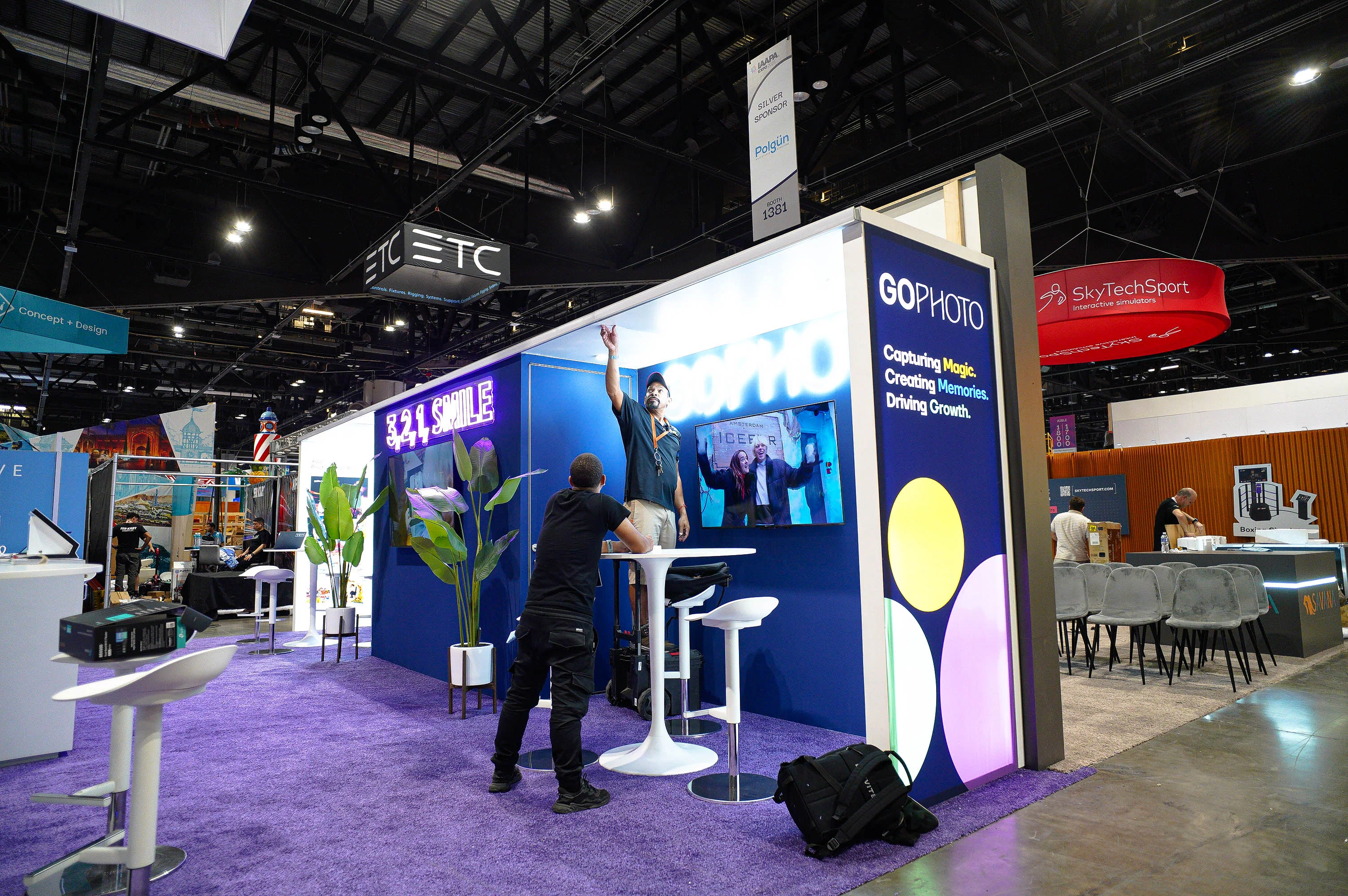
Mastering Venue Cluster Dynamics in Atlanta
Atlanta's trade show operations divide into distinct zones that dictate exhibitor-appointed contractor strategies, starting with the downtown flagship cluster where Georgia World Congress Center's multiple halls, Centennial Olympic Park's activation spaces, and AmericasMart's market campuses converge to host massive conventions and buyer showrooms. Coordination here involves dissecting each venue's service manuals to align contractor teams with hall-specific load-in paths, freight door capacities, and exhibit space adjacencies, ensuring rental displays navigate the dense foot traffic and overlapping event schedules without delays. For instance, GWCC's planning guide outlines phased move-ins that require contractors to sequence rigging and flooring alongside official services, a detail that coordination preempts through advance mapping.
Shifting to the airport and College Park corridor, Georgia International Convention Center and Gateway Center Arena emphasize fly-in efficiency, with SkyTrain access streamlining crew arrivals but imposing strict timing on exhibit setups to accommodate arena turnovers and conference overlaps. Exhibitor-appointed contractors must interface with these venues' floor plans, coordinating rental booth placements around aviation-adjacent logistics that prioritize quick setups for transient attendee flows. This zone's coordination focuses on compressing timelines, verifying contractor equipment compatibility with GICC's exhibit halls, and buffering against airport corridor congestions that can cascade into show-floor bottlenecks.
Northwest in Cumberland and Cobb, the Cobb Convention Center handles corporate trade shows and ballroom-driven events, where contractors coordinate amid regional access patterns and submarket parking constraints, integrating rental displays into hybrid ballroom-exhibit layouts. Northeast in Duluth and Gwinnett, Gas South Convention Center supports association and community expos, requiring coordination that accounts for corridor traffic peaks and multi-day programming. Across all, the service builds zone-spanning protocols that unify contractor efforts, preventing fragmented execution in Atlanta's expansive market.
Pre-Show Planning and Contractor Vetting
Initiating exhibitor-appointed contractor coordination begins with comprehensive vetting against Atlanta venue standards, compiling credentials, insurance proofs, and capability statements tailored to each zone's oversight. For downtown's GWCC and AmericasMart, this includes reviewing union jurisdiction maps and service manual appendices that govern contractor interventions in exhibit builds, ensuring your team's rental display handling aligns with official labor interfaces. Airport venues like GICC demand additional aviation security clearances, while suburban sites scrutinize regional compliance, all consolidated into a master dossier for smooth submission.
Timeline development follows, plotting contractor milestones against venue calendars: downtown clusters' extended move-in windows for large halls, College Park's compressed schedules tied to SkyTrain operations, Cobb's corporate-aligned phases, and Gwinnett's flexible expo slots. Coordination crafts shared Gantt charts that overlay rental delivery windows, contractor mobilization, and permitting approvals, mitigating risks from Atlanta's variable event densities. This phase also incorporates freight routing simulations, advising on optimal paths from I-85 corridors to GWCC docks or Hartsfield-Jackson proximity for GICC.
Permitting orchestration rounds out pre-show efforts, navigating exhibitor service manual requirements where contractors submit booth plans, electrical schematics, and rigging intents weeks ahead. In Centennial Olympic Park activations, this extends to public space variances; in AmericasMart, to showroom adjacency clearances. The coordination service interfaces these submissions, tracking approvals to guarantee contractors hit the ground running across zones.
On-Site Setup Synchronization
During move-in, coordination synchronizes exhibitor-appointed contractors with venue freight flows, particularly in downtown Atlanta where GWCC's multiple loading docks and AmericasMart's campus-wide paths handle peak volumes from concurrent market weeks. Rental displays arrive pre-staged per zone protocols, with contractors directed to hall-specific bays that match exhibit footprints, avoiding cross-traffic with official general services. This ensures precise positioning amid Centennial Park's outdoor-indoor transitions, where setup sequences prioritize visitor pathways.
Airport corridor setups at GICC and Gateway Center Arena leverage SkyTrain-timed arrivals, coordinating contractors to align with arena changeovers and convention hall divisions, integrating rental elements without disrupting fly-in attendee logistics. Suburban zones like Cobb Convention Center require navigation of northwest submarket accesses, syncing setups with ballroom configurations, while Gas South in Gwinnett accommodates community expo scales with phased hall occupations. Throughout, real-time liaison maintains flow, adjusting for Atlanta's unpredictable traffic impacts on crew rotations.
Exhibit activation coordination caps setup, verifying contractor completions against rental specs: lighting hangs in GWCC halls, modular assemblies in AmericasMart showrooms, interactive installs in College Park arenas. This phase confirms handoffs to exhibitor staff, primed for show open across all zones.
Dismantle and Load-Out Optimization
Post-show dismantle demands reversed precision, with coordination dictating contractor egress to match venue out-bound priorities: GWCC's tiered load-out phases clearing halls for next events, AmericasMart's showroom resets, and Centennial Park's rapid public space reclamation. Rental displays dismantle under sequenced protocols that protect components during boxing, routing outbound freight through downtown's congested docks without overtime accruals.
In the airport zone, GICC and Gateway Center Arena enforce tight turnarounds tied to SkyTrain schedules, coordinating contractors to expedite load-outs around conference residuals and arena bookings. Cobb Convention Center's northwest logistics focus on efficient regional hauls, while Gas South manages Gwinnett's expo aftermaths with community-adjacent clearings. Atlanta-wide, this optimizes carrier pickups, minimizing demurrage from I-285 beltway delays.
Final inspections and sign-offs close the loop, with coordination documenting contractor performance for future engagements, ensuring rental assets return intact and exhibitors gain debrief insights for refined Atlanta strategies.
Logistics Integration Across Rental Ecosystems
Exhibitor-appointed contractor coordination excels in fusing rental display logistics with contractor workflows, pre-planning integrations for Atlanta's zone variances: downtown's high-density hall stacking at GWCC, where modular rentals slot into contractor frameworks without reconfiguration; AmericasMart's permanent showroom hybrids demanding precise adjacency fits.
Airport venues' transient natures at GICC necessitate rapid-assembly rentals coordinated with contractor tools, leveraging floor plans for SkyTrain-proximal staging. Suburban Cobb and Gwinnett setups blend corporate modularity with expo flexibility, ensuring contractors handle transport, uncrating, and activation in unified chains.
This integration extends to ancillary services: power drops synced for GWCC halls, AV patch points in College Park arenas, flooring transitions in Cobb ballrooms. Coordination blueprints these touchpoints, delivering exhibitors a cohesive operational picture.
Compliance and Risk Frameworks
Atlanta venues impose layered compliance, from GWCC's union appendices and safety mandates to GICC's aviation overlays and suburban fire codes. Coordination embeds these into contractor briefs, auditing plans against service manuals to preempt violations in downtown clusters' crowded halls or College Park's high-turnover spaces.
Risk frameworks address zone uniques: downtown weather impacts on Centennial Park, airport security variances, Cobb traffic surges, Gwinnett volume shifts. Contingencies include backup sequencing and escalation paths, safeguarding rental investments amid Atlanta's event cadence.
Performance metrics track adherence, feeding post-event analyses that refine future coordinations across the market's four zones.
Scaling for Multi-Venue Programs
For exhibitors spanning Atlanta zones, coordination unifies EAC efforts: roadshowing from GWCC downtown to GICC airport, or pairing Cobb corporate with Gas South expos. This scales timelines across calendars, standardizing protocols while customizing zone logistics.
Rental display portability amplifies this, with coordination optimizing transport loops via I-75 northwest or I-85 northeast, minimizing touchpoints. Multi-venue mastery positions exhibitors for market dominance in Atlanta's dispersed ecosystem.
FAQ
What distinguishes EAC coordination in Atlanta's downtown versus suburban zones?
Downtown clusters like GWCC and AmericasMart involve dense hall sequencing and union interfaces for large conventions, while suburban Cobb and Gas South focus on regional access and flexible expo timelines, all unified under zone-tailored planning.
How does coordination handle SkyTrain dependencies at airport venues?
It times contractor arrivals and setups around SkyTrain operations at GICC and Gateway Center Arena, compressing logistics to match fly-in conference paces without bottlenecks.
What pre-show documents are essential for exhibitor-appointed contractors?
Credentials, insurance, booth plans, rigging schematics, and service manual compliances, vetted and submitted per venue cluster to secure approvals ahead of move-in.
Can coordination support rental display integration across multiple halls?
Yes, it maps rentals to contractor workflows, syncing uncrating, assembly, and activation across GWCC halls, AmericasMart showrooms, or GICC divisions.
How is dismantle prioritized in high-turnover Atlanta venues?
Through tiered egress phases matching venue resets: rapid clears at College Park arenas, phased outs at GWCC, and traffic-buffered hauls from suburban sites.
What risk mitigations apply to Atlanta's variable event landscape?
Zone-specific contingencies for traffic, weather, and overlaps, backed by real-time liaison and performance tracking for resilient execution.
Related topics
Compare the adjacent Atlanta topics.
Inquiry
Trade Show Displays of Atlanta
Atlanta trade show display programs shaped around venue realities, reusable systems, and cleaner show-floor execution.