
Industries / Automotive Trade Show Services Atlanta GA
Automotive Trade Show Services Atlanta GA
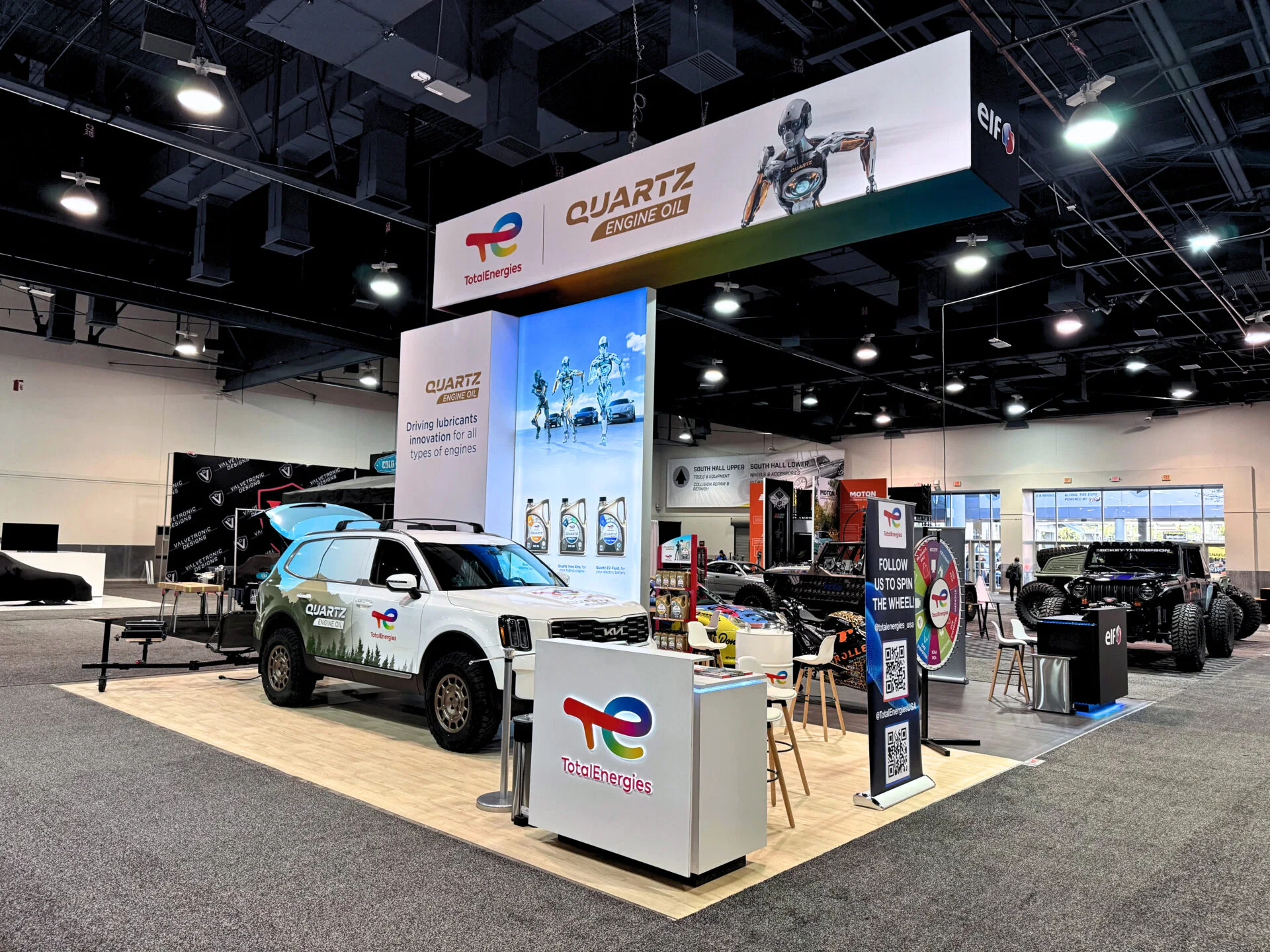
Strategic coordination for automotive trade show success across Atlanta's four core operating zones delivers unmatched flexibility for vehicle displays, parts showcases, and industry activations at venues like the Georgia World Congress Center, AmericasMart, and Georgia International Convention Center.
Downtown Atlanta Venues for Flagship Automotive Trade Shows
The Georgia World Congress Center anchors downtown Atlanta as the go-to for major automotive conventions, where its expansive exhibit halls enable automotive exhibitors to install full-scale vehicle displays alongside tiered demo platforms for engine technologies and EV charging stations. This venue's integration with Centennial Olympic Park allows exhibit coordinators to extend activations into outdoor spaces, drawing non-badge attendees to interactive showcases like augmented reality vehicle customizers or tire pressure simulators during high-attendance periods. Operational planning here emphasizes phased load-ins to manage the cluster's peak demand, ensuring automotive booths achieve prime positioning amid concurrent programming.
AmericasMart Atlanta enhances downtown automotive strategies through its market-week format, which suits wholesale gatherings for parts suppliers, detailing firms, and fleet management providers. Multi-floor layouts support vertical exhibit flows where ground-level booths handle bulky components and upper levels host tech seminars, with conference logistics streamlining attendee navigation between buyer showrooms and private demo rooms. Coordination focuses on synchronizing AmericasMart schedules with GWCC overflows, creating hybrid programs that maximize exposure across the downtown cluster without fragmenting logistics efforts.
Centennial Olympic Park serves as a pivotal activation extension for automotive trade shows at the Georgia World Congress Center, transforming exhibit overflows into public-facing brand experiences. Planners coordinate temporary installations like branded charging hubs or hybrid vehicle parades that leverage the park's open layout and proximity to convention traffic, amplifying booth traffic from hall-bound visitors. This approach turns static displays into dynamic events, with detailed permitting and setup sequencing ensuring smooth transitions between indoor exhibits and park engagements.
Airport Corridor Venues for Efficient Automotive Logistics
The Georgia International Convention Center in College Park capitalizes on ATL SkyTrain access to streamline automotive events requiring rapid international arrivals, positioning booths for OEM unveilings and supplier summits with minimal ground transport delays. Exhibit spaces here accommodate modular automotive setups including parts racking systems and diagnostic bays, while planners align load-in windows with airport peaks to optimize drayage for high-value prototypes. This venue's focus on fast-turn meetings suits preview events where coordination ensures booth readiness coincides with executive fly-ins.
Gateway Center Arena at College Park adds versatility for automotive activations blending trade show elements with arena programming, ideal for motorsport tie-ins or fleet demos targeting corporate buyers. Arena-adjacent exhibit zones support contained vehicle placements and interactive kiosks, with coordination emphasizing noise-controlled demos and secure perimeters for high-end displays. Proximity to the convention center enables cross-venue shuttles, expanding program scope without complicating logistics in the airport corridor.
Planning in this zone prioritizes SkyTrain-timed logistics to reduce dwell times for automotive freight, enabling exhibitors to pivot quickly between booth builds and post-event strikes. Coordinators map exhibit footprints to GICC floor plans, ensuring compliance with aviation-adjacent restrictions while maximizing visibility for corridor passersby.
Suburban Venues for Regional Automotive Expos
The Cobb Convention Center in the Cumberland submarket targets corporate automotive events and regional trade shows, offering ballroom-exhibit hybrids where mid-sized booths showcase fleet solutions, repair tools, and aftermarket innovations to local dealer networks. Planners coordinate northwest access routes to bypass downtown congestion, aligning setups with submarket demand for association-driven programming that fosters repeat buyer relationships. This venue's scale supports contained vehicle rotations without the intensity of flagship halls.
Gas South Convention Center in the Duluth and Gwinnett corridor captures northeast demand for community-oriented automotive expos, with exhibit floors suited to enthusiast meets, parts swaps, and distributor gatherings. Coordination here leverages suburban parking abundance for trailer-based load-ins, enabling efficient handling of bulky displays like lift-equipped service bays or accessory walls. Multi-day formats allow progressive booth evolutions, from static overviews to live installs.
Suburban planning integrates these venues into broader Atlanta programs, using shuttle matrices to link Cobb and Gas South with downtown or airport sites for hybrid automotive strategies that balance scale with accessibility.
Booth Design Coordination for Automotive Specifics
Automotive booth designs in Atlanta demand zoning-aware configurations, starting with GWCC-scale footprints that incorporate vehicle pits, overhead lighting grids, and modular partitioning for segmented demos ranging from powertrains to infotainment systems. Coordinators align designs with venue rigging capacities, ensuring automotive elements like hydraulic lifts integrate without exceeding hall constraints while facilitating crowd flow around high-touch interactives.
AmericasMart and GICC setups emphasize verticality for space efficiency, stacking component displays atop base vehicle models to showcase assembly hierarchies for suppliers. Planning sequences prototype renders against actual floor plans, iterating for load-bearing and egress compliance specific to automotive weights and egress paths.
Suburban venues favor open-plan designs that exploit ballroom spans for 360-degree vehicle access, with coordination extending to fabrications that disassemble for multi-site tours across Atlanta zones.
Logistics and Freight Management Across Zones
Freight coordination for automotive trade shows navigates Atlanta's zones via sequenced drayage from I-75/85 interchanges to GWCC docks, prioritizing high-cube trailers for chassis and body panels during downtown windows. Airport corridor logistics leverage GICC's proximity to ATL cargo ramps, expediting hazmat-cleared batteries and fluids for EV-focused booths.
Suburban routes optimize for Cobb's northwest portals and Gas South's I-85 adjacency, batching regional shipments to cut per-unit costs on parts pallets. Planners forecast union calls and overtime based on zonal peak loads, ensuring automotive deadlines align with venue turn calendars.
Cross-zone programs employ centralized tracking to mirror booth evolutions, from inbound customs clears to outbound crating post-strike.
Activation and Engagement Optimization
Activations at Centennial Olympic Park amplify GWCC automotive booths through pop-up test bays and VR configurators, drawing park traffic into hall conversions. Coordinators time these with event cadences, measuring uplift via badge scans linked to booth metrics.
Airport venues deploy arena-tailored immersives like drift simulators at Gateway Center, funneling convention attendees via SkyTrain-timed promotions. Suburban activations leverage Gas South's community vibe for hands-on workshops, extending dwell times.
Program-wide engagement layers zone-specific tactics into unified KPIs, refining future coordination with post-event analytics.
Program Control and Multi-Venue Execution
Overseeing automotive programs spanning GWCC to Gas South involves master timelines syncing load-ins, with contingency buffers for weather-impacted suburban shifts. Coordinators centralize vendor comms across zones, standardizing booth specs for replicable impacts.
Budget controls aggregate zonal variances, optimizing spends on downtown premiums against suburban efficiencies for balanced ROI. Compliance threads safety certs for all rigs and demos.
Strike coordination reverses inbound flows, prioritizing asset secures in transit-heavy airport corridors.
FAQ
Which Atlanta venues best support large automotive vehicle displays?
The Georgia World Congress Center in downtown Atlanta provides the scale for flagship exhibits with multiple vehicles, while Georgia International Convention Center offers efficient spaces for fly-in events, and suburban options like Cobb Convention Center handle regional setups.
How do Atlanta's trade show zones benefit automotive exhibitors?
Four zones—downtown, airport/College Park, Cumberland/Cobb, and Duluth/Gwinnett—offer flexibility for matching event size to venue clusters, from national conventions at GWCC to corporate meets at Gas South.
What logistics considerations apply to automotive booths in airport venues?
Georgia International Convention Center and Gateway Center Arena leverage SkyTrain access for quick freight turns, ideal for time-sensitive OEM arrivals and prototype handling.
Can automotive trade shows span multiple Atlanta venues?
Yes, coordination across clusters like GWCC/AmericasMart downtown and Cobb/Gas South suburbs enables hybrid programs with shuttles and unified logistics.
How does AmericasMart fit automotive trade show strategies?
AmericasMart supports market-week formats for parts and accessories suppliers, integrating with downtown logistics for wholesale buyer engagements.
What role does Centennial Olympic Park play in automotive events?
It extends GWCC exhibits into public activations, hosting outdoor demos and interactives to boost visibility during conventions.
Related topics
Compare the adjacent Atlanta topics.
Inquiry
Trade Show Displays of Atlanta
Atlanta trade show display programs shaped around venue realities, reusable systems, and cleaner show-floor execution.