
Venues / State Farm Arena: Event Planning and Coordination in Downtown Atlanta
State Farm Arena: Event Planning and Coordination in Downtown Atlanta
State Farm Arena delivers arena-scale flexibility for general sessions, corporate activations, and large-format events within Atlanta’s interconnected downtown convention district.
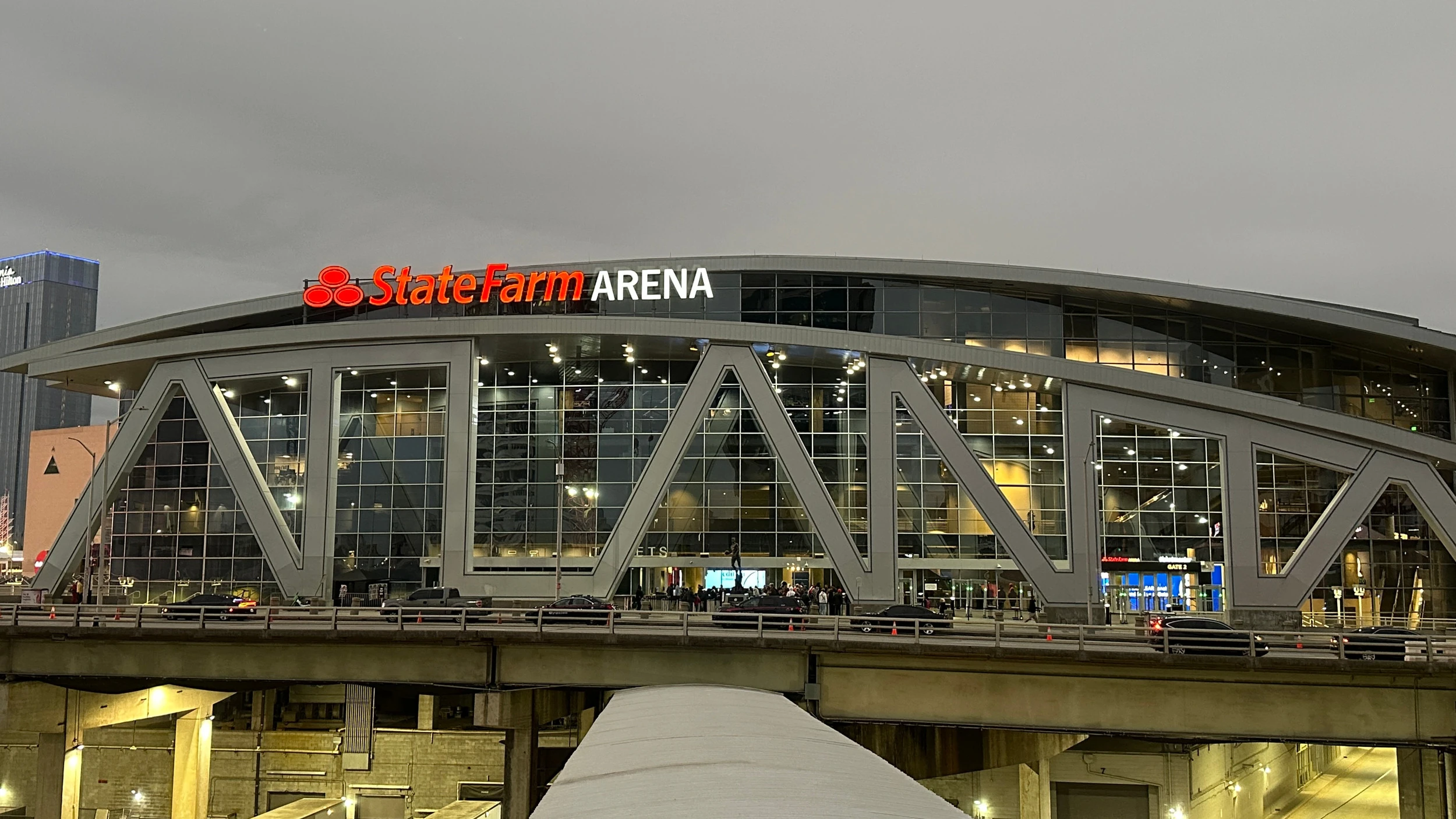
State Farm Arena Within Atlanta’s Downtown Convention Cluster
Atlanta’s convention demand concentrates in the downtown core where State Farm Arena, the Georgia World Congress Center, Centennial Olympic Park, and AmericasMart function as an integrated campus. The arena’s connection to the CNN Center enables planners to move attendees between keynote presentations and adjacent exhibit floors without leaving the climate-controlled footprint. This physical adjacency supports compressed schedules that combine arena-scale general sessions with breakout programming in neighboring facilities.
The district-level differentiation matters because downtown Atlanta draws both national associations seeking flagship venues and corporate groups requiring high-visibility activations. State Farm Arena’s scale fills a specific role for events that exceed typical ballroom capacities yet benefit from proximity to GWCC’s exhibit halls. Planners map these relationships early to optimize registration flows, badge access, and transportation between sites.
Market data shows downtown remains the flagship zone for large-scale trade shows and conferences. State Farm Arena contributes by absorbing overflow general sessions and sponsor-driven events that leverage its tiered seating and central stage capabilities. Coordination resources therefore emphasize sightline studies, AV infrastructure compatibility, and phased attendee movement between the arena and connected convention spaces.
Capacity Specifications and Seating Configurations
State Farm Arena provides approximately 16,600 seats in standard basketball configuration and expands to 21,000 for concert and event setups. These figures guide planners when matching program size to venue scale. Flexible seating allows reconfiguration for theater-style presentations, end-stage concerts, or center-stage activations depending on event objectives.
Operational planning requires early confirmation of configuration because each setup affects floor space, sightlines, and staging options. Corporate events often utilize partial seating to create flat-floor zones for exhibits or interactive areas while retaining tiered seating for keynote addresses. The arena’s post-renovation updates improved these transitions, though specific technical details remain subject to current management specifications.
Planners cross-reference these capacities against expected attendance to determine whether the arena fits within a single-venue program or requires synchronization with neighboring GWCC halls. Downtown Atlanta’s cluster effect means overflow or companion sessions can shift to adjacent facilities with minimal disruption when arena capacity is reached.
Integration with CNN Center and GWCC Campus
The physical connection between State Farm Arena and the CNN Center creates operational efficiencies for planners managing multi-venue events. Attendees can transition from arena floor sessions directly into CNN Center spaces or continue to GWCC exhibit areas through enclosed walkways. This reduces reliance on external transportation and supports tighter session schedules.
Campus-wide coordination involves aligning security protocols, badge systems, and wayfinding across properties. The shared downtown district simplifies certain aspects of logistics while requiring precise timing to avoid conflicts with public arena events or Hawks game days. Planning resources therefore stress advance calendar reviews and stakeholder alignment with each facility’s management.
This interconnected environment distinguishes downtown Atlanta from suburban or airport-adjacent venues. Programs benefit from the density of amenities, hotels, and dining options surrounding the campus. Event planners use these factors when deciding between downtown arena options and stand-alone facilities in Cobb or Gwinnett corridors.
General Session and Keynote Presentation Planning
Arena environments like State Farm Arena suit large general sessions where impact derives from scale and production value. Planners evaluate stage placement, video reinforcement, and audio coverage to ensure consistent experience across all seating bowls. Post-renovation technology upgrades support high-resolution displays and integrated lighting systems suitable for corporate branding.
Scheduling considerations include buffer times for seating transitions and coordination with any concurrent events at the CNN Center or GWCC. Corporate programs often layer sponsor activations on the arena floor during registration or breaks, requiring temporary structures that can be installed and removed within tight changeover windows.
Successful general sessions at this scale demand early attention to attendee flow from surrounding hotels and MARTA stations. Downtown Atlanta’s grid layout and park proximity influence arrival patterns, making detailed transportation and arrival timelines essential components of the planning process.
Activation and Exhibit Strategies for Arena Environments
Arena-scale events create distinct opportunities for branded activations that differ from traditional exhibit halls. State Farm Arena’s open floor and tiered seating allow for central staging, interactive zones, and perimeter sponsorship displays visible to large audiences. Planning focuses on how these elements integrate with overall session flow rather than static booth layouts.
Temporary structures must comply with arena-specific rigging points and floor load limits. Coordination resources outline general parameters for such builds while emphasizing the need for direct consultation with venue management on current regulations. This approach maintains planning focus without assuming execution capabilities.
Compared to convention center halls, arena activations prioritize experiential impact over square footage. Downtown Atlanta’s cluster allows exhibitors or sponsors to extend presence into GWCC or Centennial Olympic Park for multi-location campaigns. Planners map these extensions during initial site selection to maximize return on investment across the campus.
Logistical and Operational Considerations in Downtown Atlanta
State Farm Arena’s downtown location introduces specific operational patterns related to traffic, parking, and public transit. Planners account for peak arrival times from area hotels and the impact of concurrent events at nearby venues. The arena’s connection to the CNN Center provides internal circulation options that reduce external movement demands.
Loading dock access and move-in timelines differ from purpose-built convention centers. Early coordination with campus partners helps align delivery windows with GWCC operations when programs span multiple facilities. Market analysis shows Atlanta’s downtown zone handles dense event calendars, requiring precise scheduling to avoid conflicts.
Post-renovation improvements enhanced attendee circulation and technology readiness. However, planning success still depends on comprehensive timelines that incorporate security, catering, and AV requirements specific to arena configurations. Resources like this guide provides frameworks for such planning while directing technical questions to current venue management.
The broader Atlanta market includes airport, Cobb, and Gwinnett alternatives. State Farm Arena’s selection typically reflects programs needing its combination of scale, downtown prestige, and campus connectivity rather than suburban convenience or fly-in proximity.
Venue Comparison Within Atlanta Market Zones
State Farm Arena belongs to the downtown Atlanta cluster alongside the Georgia World Congress Center, Centennial Olympic Park, and AmericasMart. This contrasts with airport-adjacent venues like the Georgia International Convention Center and Gateway Center Arena at College Park, which emphasize fly-in convenience and SkyTrain access. Northwest suburban options such as Cobb Convention Center serve corporate groups preferring that submarket’s hotel inventory.
Arena versus convention center distinctions guide initial planning. State Farm Arena excels for events requiring theatrical seating and large-scale production, while GWCC provides contiguous exhibit space. Planners often combine both within single programs due to their physical connection. Northeast venues like Gas South Convention Center address different demand segments focused on community and regional business events.
Selection criteria therefore include not only capacity but also how each venue’s attributes align with program goals and attendee travel patterns. Downtown Atlanta’s depth of options supports complex itineraries that distribute activities across the cluster. This resource equips planners with district-level context for making those determinations.
FAQ
What is the seating capacity at State Farm Arena?
State Farm Arena seats approximately 16,600 in basketball configuration and up to 21,000 for concerts and special events. Actual usable capacity varies by seating layout and event type.
Is State Farm Arena connected to other major Atlanta venues?
Yes. The arena connects directly to the CNN Center and sits adjacent to the Georgia World Congress Center campus, enabling coordinated multi-venue programs within the downtown Atlanta district.
What types of events work best at State Farm Arena?
The venue supports large general sessions, corporate keynotes, product launches, sponsorship activations, and concerts that benefit from arena-scale seating and production capabilities.
How does the downtown Atlanta location affect event planning?
The central location offers proximity to hotels, MARTA, and other convention assets but requires attention to traffic patterns, game-day conflicts, and campus-wide attendee flow coordination.
Has State Farm Arena undergone recent improvements?
The arena completed a major renovation that updated technology, amenities, and attendee circulation while maintaining its role as home to the Atlanta Hawks.
How does State Farm Arena compare to Atlanta convention centers?
It provides theatrical seating and large-format impact suited for general sessions, whereas facilities like GWCC emphasize contiguous exhibit space. The two often function together due to their physical connection.
Related topics
Compare the adjacent Atlanta topics.
Inquiry
Trade Show Displays of Atlanta
Atlanta trade show display programs shaped around venue realities, reusable systems, and cleaner show-floor execution.