
Locations / Kennesaw, GA Trade Show Planning and Exhibit Coordination
Kennesaw, GA Trade Show Planning and Exhibit Coordination
Kennesaw anchors the northwest sector of Atlanta’s four-zone trade show landscape, where the Cumberland and Cobb submarket draws corporate, association, and community events distinct from downtown convention density.
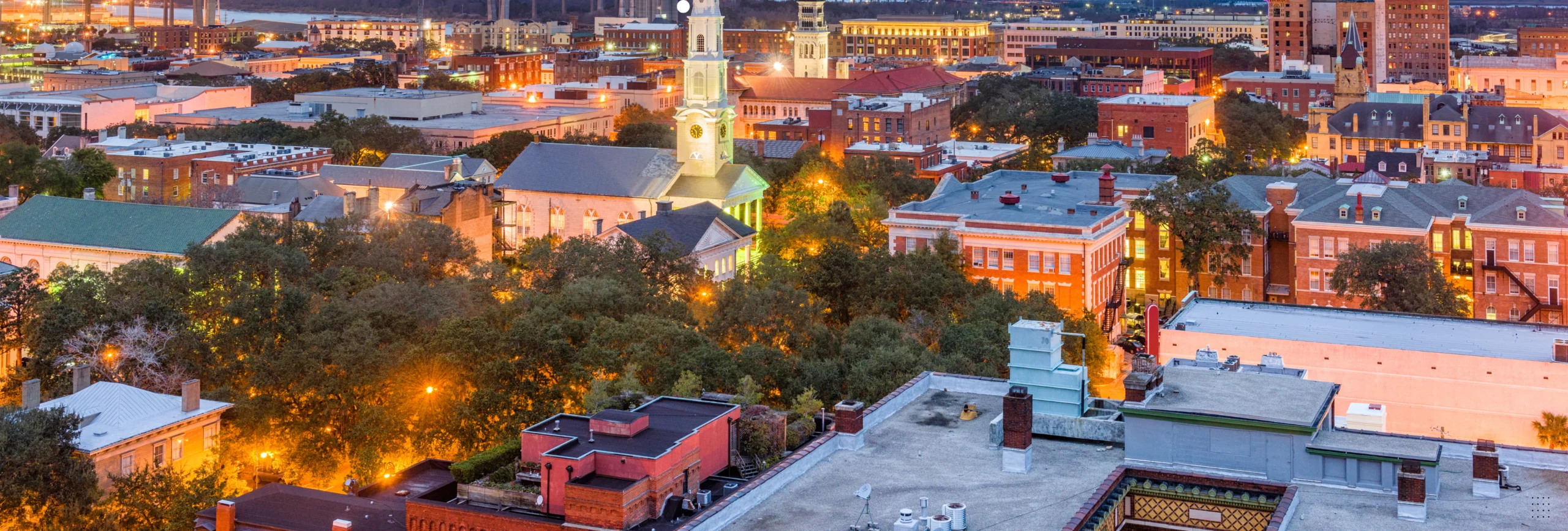
Kennesaw Within Atlanta’s Distributed Trade Show Geography
The Atlanta market operates as an interconnected system of four distinct zones rather than a monolithic downtown hub. Downtown remains the flagship because the Georgia World Congress Center, Centennial Olympic Park, and AmericasMart generate the deepest cluster of exhibit demand, international buyer traffic, and large-scale activations. Yet substantial activity occurs beyond this core. The Cumberland and Cobb submarket, home to Kennesaw, draws corporate training sessions, regional association conferences, and community-oriented expos that value proximity to northwest residential and business corridors.
This distribution pattern creates both opportunity and complexity. Exhibitors based in or targeting Kennesaw benefit from reduced commute times for local attendees and simpler parking logistics compared with downtown. However, successful programs must still account for the flagship venues when campaigns span multiple events in a single quarter. The Georgia International Convention Center and Gateway Center Arena in the airport corridor add another layer, serving fly-in traffic that may originate from the same national associations appearing at Cobb facilities weeks later.
Strategic coordination therefore begins with zonal mapping. Understanding how attendee expectations shift between the dense networking environment of AmericasMart and the more focused educational setting typical of Cobb County events allows planners to adjust scale, interactivity, and messaging without duplicating effort. This systems-level view prevents siloed decision-making that can erode brand consistency across an annual schedule.
Kennesaw’s role is that of a stable northwestern anchor. Its position supports programs that originate or conclude in suburban settings while still integrating with the infrastructure and audience flow of the broader Atlanta market.
Operational Characteristics of the Cumberland and Cobb Submarket
Venues in the Cumberland and Cobb submarket, including the Cobb Convention Center, primarily host corporate, association, and community events that differ in rhythm and scale from downtown conventions. These shows often emphasize targeted networking within specific industries or regional interests rather than the broad public draw of Centennial Olympic Park activations. As a result, exhibit elements perform best when they facilitate focused conversation and educational interaction instead of high-volume traffic capture.
Ceiling heights, utility grids, and dock configurations at suburban facilities require precise pre-planning to avoid on-site adjustments that consume valuable setup time. Coordination resources that maintain current knowledge of these specifications across zones help align fabrication decisions with actual venue constraints. This prevents the common inefficiency of building a single large exhibit that must be partially deconstructed to fit Cobb County halls after succeeding at the Georgia World Congress Center.
Community events common to this submarket frequently incorporate local relevance and longer dwell times. Exhibits that include modular components for product demonstration or interactive stations tend to generate stronger outcomes here than purely branding-focused designs optimized for downtown foot traffic. Planning therefore weighs these behavioral differences early in the design phase.
Coordinating Across Atlanta’s Four Primary Operating Zones
Effective exhibit programs treat the downtown, airport, Cumberland-Cobb, and Gwinnett corridors as complementary rather than competing arenas. An exhibitor appearing at the Cobb Convention Center one month may need the same core assets reconfigured for the Georgia International Convention Center the next. This reality demands fabrication approaches that prioritize modularity and rapid adaptation without sacrificing structural integrity or brand precision.
The Georgia World Congress Center planning guide highlights stringent material handling and installation timelines that differ from suburban facilities. Downtown shows often require earlier move-in and more complex labor coordination due to building density and concurrent events. By contrast, Cobb-area venues typically allow more flexible scheduling that aligns with corporate calendars. Coordination that anticipates these variances ensures one set of assets can deploy efficiently in both environments.
Airport corridor venues such as Gateway Center Arena add fly-in convenience for national audiences. Exhibits planned from a Kennesaw perspective can incorporate storage strategies and shipping protocols that minimize transit damage between the northwest suburbs and College Park. This cross-zone visibility reduces overall program cost while maintaining visual and functional consistency.
Program control at this level involves calendar synchronization, asset tracking, and messaging alignment. When executed well, a single campaign can generate compounded return by reaching distinct yet overlapping audiences across all four zones.
Custom Fabrication Strategies Suited to Kennesaw-Area Events
Custom fabrication for the Cobb submarket balances visual impact with practical transport and reconfiguration needs. Exhibits destined for both Kennesaw-area venues and downtown flagship facilities must withstand multiple installations while preserving alignment and lighting quality. Materials chosen for their durability under repeated crating and uncrating deliver long-term value across an annual schedule spanning multiple Atlanta zones.
Designers focused on program control develop systems that allow graphic updates without full reconstruction. This capability proves especially useful when an exhibitor shifts messaging between a technology-focused corporate event at the Cobb Convention Center and a broader industry showcase at AmericasMart. The underlying structure remains constant while surface elements adapt quickly.
Interactivity components receive particular attention in suburban settings where attendees often have more time for engagement. Touchscreen integrations, product demonstration stations, and modular seating areas that can be reconfigured per venue help maximize return on investment. These elements are engineered for rapid assembly regardless of whether the show occurs in a northwest expo hall or a downtown convention ballroom.
Fabrication timelines are synchronized with the earliest deadline across all confirmed events in a campaign. This forward planning prevents last-minute compromises that can occur when a Kennesaw-area show and a Georgia World Congress Center show fall in consecutive weeks.
Logistical Planning Specific to Northwest Suburban Venues
Logistics for Kennesaw and the surrounding Cobb County area center on efficient interstate access and surface-level loading capabilities that contrast with the multi-level complexities of downtown venues. Drayage routes from regional hubs reach Cobb facilities with fewer choke points, allowing tighter scheduling windows for material delivery. Yet these advantages disappear without precise advance coordination that accounts for concurrent events at nearby business parks and hotels.
Exhibitors benefit when shipment consolidation strategies align with the distinct requirements of suburban versus airport corridor venues. The Georgia International Convention Center’s proximity to ATL SkyTrain favors certain shipping methods that may not apply when moving assets to the Cobb Convention Center. Planning resources that maintain visibility into all four zones can optimize these variables to reduce both cost and risk.
Move-out efficiency also shapes program success. Community events in the northwest often conclude with tight turnaround requirements for local organizers. Exhibits engineered for rapid disassembly and immediate crating maintain goodwill with venue staff while freeing resources for the next activation, whether that occurs in Duluth, downtown Atlanta, or College Park.
Measuring Performance and Maintaining Brand Consistency
Performance metrics for Kennesaw-area events often emphasize quality of interaction over sheer lead volume. Association and corporate gatherings in the Cobb submarket typically feature attendees with higher decision-making authority and longer conversation windows. Exhibit programs planned with this reality in mind incorporate follow-up protocols and data capture methods calibrated to these deeper engagements.
Brand consistency across zones requires more than identical graphics. Messaging hierarchies, color accuracy, and experiential flow must translate appropriately whether an exhibit stands in the high-traffic aisles of the Georgia World Congress Center or the more intimate setting of a Cobb County hall. Central program control ensures these elements receive unified oversight rather than Venue by Venue interpretation.
Long-term success in the Atlanta market depends on treating each appearance as part of a larger narrative. Data gathered from northwest suburban shows can inform adjustments for downtown activations, while insights from AmericasMart buyer behavior can refine community-focused elements deployed in Kennesaw. This closed-loop approach elevates the entire campaign.
Regular program reviews that examine zonal variances help refine future schedules. When coordination resources maintain institutional knowledge of how each submarket performs, exhibitors avoid repeating suboptimal configurations and instead build on documented successes.
Developing Resilient Multi-Zone Exhibit Campaigns
The most effective Atlanta programs treat the four operating zones as a single ecosystem. A campaign that launches with a product reveal at the Cobb Convention Center can evolve through targeted appearances at the Georgia International Convention Center before culminating in a major presence at the Georgia World Congress Center. Each step reinforces the next when underlying strategy, assets, and messaging remain under unified control.
This resilience comes from early planning that anticipates overlaps in association calendars and corporate event cycles. By mapping these patterns across downtown, airport, Cobb, and Gwinnett corridors, coordinators identify natural sequences that maximize exposure while minimizing fabrication redundancy. Kennesaw’s position in the northwest makes it an ideal hub for initiating or refreshing programs that then radiate outward.
Contingency planning forms another critical element. When a downtown show encounters labor or scheduling shifts, suburban venues can sometimes absorb adjusted activation dates. Programs built with this flexibility embedded from the fabrication stage avoid the costly downtime that plagues less coordinated efforts.
FAQ
How does the Cumberland and Cobb submarket differ from downtown Atlanta trade shows?
The Cobb submarket, including Kennesaw, primarily hosts corporate, association, and community events at venues such as the Cobb Convention Center. These shows emphasize focused networking and education with easier parking and interstate access, while downtown Atlanta concentrates high-volume buyer traffic at the Georgia World Congress Center, Centennial Olympic Park, and AmericasMart.
Why does Atlanta require four-zone planning for trade show exhibits?
Demand splits across downtown, the airport and College Park corridor featuring the Georgia International Convention Center and Gateway Center Arena, the Cumberland and Cobb submarket, and the Duluth and Gwinnett corridor. Each zone serves distinct audience profiles and venue specifications, requiring coordinated strategies to maintain brand consistency and operational efficiency.
What fabrication considerations matter most for Kennesaw-area events?
Custom builds must accommodate differing ceiling heights, utility access, and load-in schedules between Cobb Convention Center and flagship downtown venues. Modular designs that support rapid reconfiguration, durable materials for repeated shipping, and integrated technology calibrated to suburban environments deliver the greatest flexibility across Atlanta’s zones.
Can exhibit programs successfully span both Kennesaw and airport corridor venues?
Yes. Strategic coordination aligns fabrication and logistics so the same core assets can deploy at Cobb-area facilities and the Georgia International Convention Center or Gateway Center Arena. Planning that accounts for fly-in convenience and suburban access prevents duplication while preserving visual and functional consistency.
What role does program control play in multi-venue Atlanta campaigns?
Centralized program control synchronizes calendars, maintains asset integrity, and ensures messaging adapts appropriately to each zone without losing brand coherence. This approach optimizes budgets and performance whether exhibits appear in suburban community events or large downtown conventions.
How should exhibitors prepare for differing audience expectations in northwest Atlanta?
Suburban events in the Cobb submarket often allow longer interaction times and favor educational or demonstration-focused exhibits. Planning that differentiates these needs from the rapid-traffic demands of downtown venues produces higher engagement and more qualified outcomes in Kennesaw and surrounding communities.
Related topics
Compare the adjacent Atlanta topics.
Inquiry
Trade Show Displays of Atlanta
Atlanta trade show display programs shaped around venue realities, reusable systems, and cleaner show-floor execution.