
Locations / Trade Show Exhibit Planning for Hapeville, GA
Trade Show Exhibit Planning for Hapeville, GA
Position your program for success in Atlanta's airport corridor with precise coordination that accounts for fly-in efficiency and venue-specific demands unique to the Hapeville area.
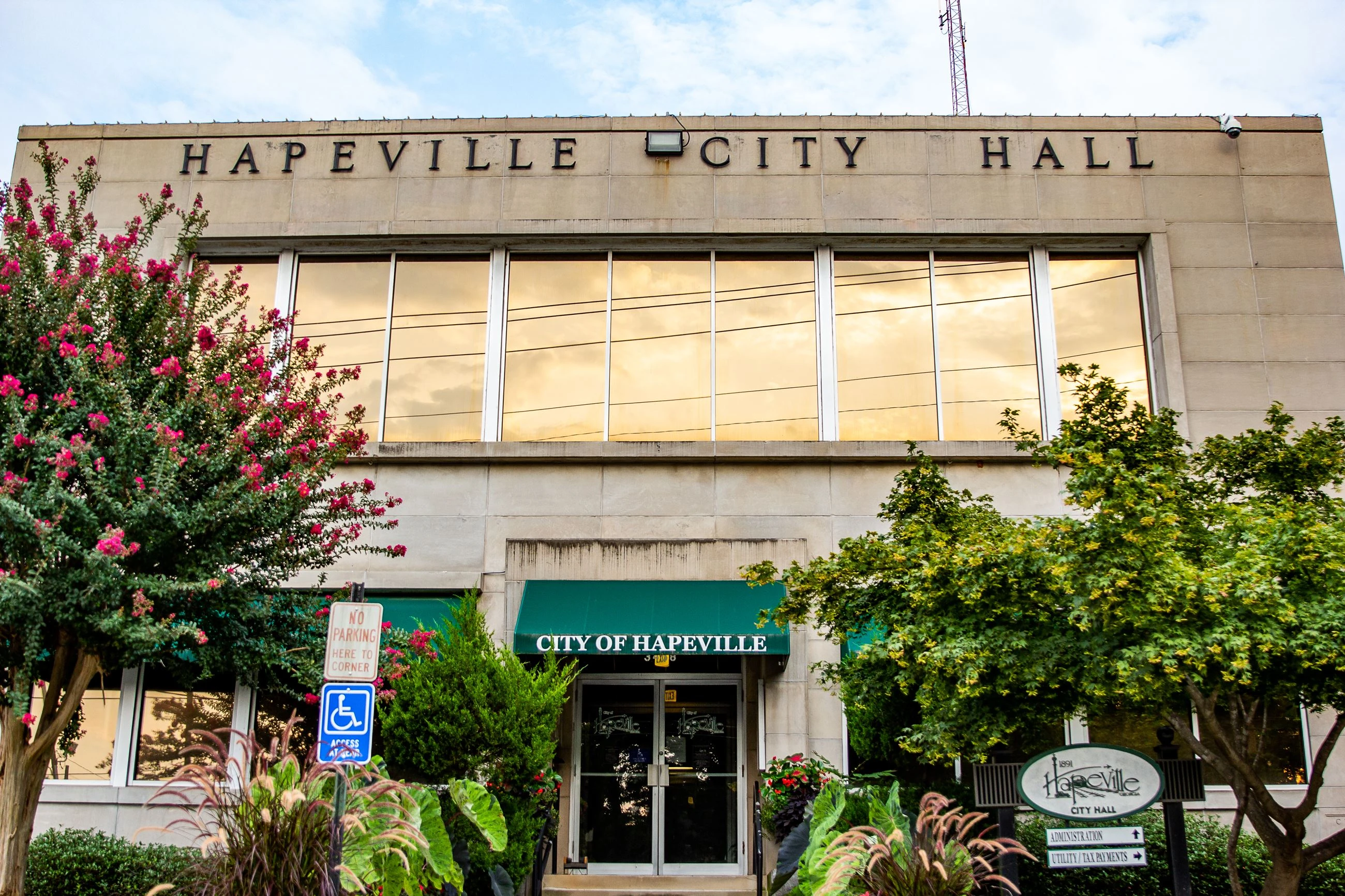
Hapeville Within Atlanta's Four-Zone Trade Show Framework
Atlanta's trade show and exhibition demand operates across clearly delineated zones rather than concentrating in a single downtown core. The flagship district revolves around the Georgia World Congress Center, Centennial Olympic Park, and AmericasMart, delivering the highest density of large-scale conventions, buyer showrooms, and public activations. In contrast, the airport corridor encompassing Hapeville and College Park addresses a complementary segment focused on convenience for time-sensitive, travel-heavy audiences. This corridor leverages direct SkyTrain connectivity from the world's busiest passenger airport, enabling exhibitors to reach venues with minimal surface transportation.
Hapeville's placement in this airport zone supports events where participants frequently arrive and depart within tight windows. Planning therefore emphasizes elements that reduce friction between flight gates and exhibit floors. The Georgia International Convention Center and Gateway Center Arena exemplify the infrastructure built for this purpose, offering floor plans and access routes that prioritize efficiency over the expansive campus layouts found downtown. Coordinators must account for these differences when specifying graphics scale, interactivity levels, and storage requirements that match the operational tempo of airport-proximate facilities.
Understanding this zoning prevents misalignment between exhibit design and actual event conditions. Programs developed for Hapeville-area events succeed when they incorporate the documented fly-in orientation of the corridor while retaining flexibility to scale for occasional crossover with downtown or suburban programming in Cobb or Gwinnett. This balanced approach reflects the full spectrum of Atlanta's meeting and exhibition landscape as mapped across its primary districts and submarkets.
Operational Profile of Airport-Corridor Venues Near Hapeville
The Georgia International Convention Center stands as the primary facility shaping planning decisions for Hapeville-adjacent events. Its location and infrastructure explicitly target delegates who fly into ATL and transfer via the SkyTrain system, minimizing ground transport time. Floor plans reveal flexible exhibit halls engineered for both large-scale trade shows and more focused corporate gatherings, with loading docks and staging areas calibrated for the faster throughput expected in an airport environment. These attributes require exhibit components that can be coordinated for prompt installation sequences without excess on-site adjustment.
Gateway Center Arena at College Park complements the convention center by hosting hybrid events that blend exhibition with sports, entertainment, and corporate functions. Its design supports activations where trade show elements share space with experiential zones, demanding precise spatial planning that accounts for multi-use configurations. For Hapeville-based coordination, this means developing programs that maintain visual impact while respecting the arena's sightline priorities and rapid changeover schedules between events.
Collectively these venues create a functional cluster that differs measurably from the GWCC campus or the more spread-out suburban centers. Planners use the documented access routes, square footage allocations, and attendee circulation patterns to inform scale, modularity, and material choices. The result is exhibit programs that perform effectively within the time and space constraints characteristic of Atlanta's airport corridor.
Coordination resources therefore concentrate on translating venue specifications into actionable program blueprints that exhibitors can deploy confidently across multiple events in the zone.
Logistics Coordination for Fly-In Exhibitor Audiences
Attendees reaching events through Hartsfield-Jackson Atlanta International Airport often maintain tighter schedules than those arriving by other means. This reality shapes every aspect of exhibit planning in the Hapeville corridor, from messaging that can be absorbed in a single pass to interactive elements that deliver value within limited dwell periods. Programs succeed when they anticipate travel fatigue and provide clear wayfinding that begins at the SkyTrain platform rather than the exhibit hall entrance.
Effective coordination incorporates buffer time for customs, baggage, and transfer processes that international participants may encounter. Graphic systems must remain legible under the brighter, more utilitarian lighting common in airport-proximate venues, while storage solutions need to accommodate the smaller Back of House areas typical of these facilities compared to downtown campuses. These details accumulate into a distinct operational profile that experienced planners address systematically.
The broader Atlanta market offers opportunities to extend programs from Hapeville-area shows into downtown or suburban venues, yet each transition requires recalibration. An activation optimized for Gateway Center Arena will not transfer directly to AmericasMart without adjustments for ceiling heights, audience density, and traffic patterns. Planning resources that map these variables across zones help exhibitors maintain consistency while respecting location-specific requirements.
Strategic Differentiation Across Atlanta Venue Clusters
Hapeville programs operate in a different register than those staged in Buckhead, Midtown, or the Old Fourth Ward. The airport corridor prioritizes efficiency and convenience over the immersive, multi-day experiences more common at the Georgia World Congress Center or within the urban fabric surrounding Centennial Olympic Park. This distinction influences narrative development, booth architecture, and follow-up mechanisms that must compress impact into shorter interaction cycles.
Meanwhile, the Cumberland and Cobb submarket and the Duluth-Gwinnett corridor capture different segments of corporate, association, and community demand. Exhibits planned for Hapeville can serve as a foundational module that scales upward for larger Cobb Convention Center programs or adapts for the community-oriented focus of Gas South. The planning discipline lies in identifying the common elements that travel across zones while customizing the variables that each venue cluster demands.
This comparative approach prevents the inefficiency of developing entirely separate programs for each Atlanta location. Instead, a core platform coordinated through Trade Show Displays of Atlanta resources can be refined according to the documented characteristics of Hapeville-area facilities, downtown flagships, or suburban expo centers. The outcome is a unified strategy that respects the documented market split while maximizing return across multiple events.
Program Development Best Practices for the Airport Zone
Successful Hapeville exhibit programs begin with a clear mapping of attendee journeys that start at airport gates and conclude at departure lounges. This extended view informs decisions about messaging hierarchy, demonstration duration, and lead capture methods that function effectively when visitors have one eye on the clock. Coordination includes contingency planning for flight delays that can shift entire schedules by several hours, requiring flexible on-site adjustments that remain within venue guidelines.
Material and fabrication specifications for this corridor favor durability and modularity given the higher frequency of handling associated with airport logistics. Components should maintain appearance under repeated quick-setup cycles while remaining lightweight enough for efficient movement through SkyTrain-adjacent loading areas. These practical considerations differentiate airport-zone programs from those developed for stationary downtown installations with larger storage footprints.
Measurement frameworks also adapt to the zone. Rather than relying solely on total booth traffic, planners track conversion rates within compressed timeframes and follow-up velocity for leads collected from national audiences. Resources from Trade Show Displays of Atlanta help translate these metrics into program refinements that align with the operational tempo documented for GICC and Gateway Center Arena events.
Coordinating with Atlanta's Full Event Calendar
Hapeville does not exist in isolation. Its airport corridor venues frequently host satellite or overflow events tied to larger downtown conventions at the Georgia World Congress Center or AmericasMart. Planning therefore requires visibility into the master calendar that spans all four zones, allowing exhibit programs to sequence appropriately and share assets where practical. This macro view prevents conflicts in fabrication timelines or staffing allocations across multiple Atlanta engagements.
The documented presence of both large-scale trade shows and targeted corporate meetings in the airport zone creates opportunities for layered participation strategies. An organization might deploy a comprehensive display at GWCC and a streamlined version near Hapeville for specialized sessions, maintaining brand coherence while matching each venue's scale. Coordination resources help define these tiered approaches using the actual floor plans and access specifications published by each facility.
Seasonal patterns also influence planning. Peak periods for airport-adjacent events often align with major industry gatherings that draw heavy fly-in attendance, requiring earlier commitment for preferred configurations at GICC. Forward-looking coordination that accounts for these cycles helps secure optimal placement and reduces last-minute adjustments that can compromise program quality.
Refining Exhibit Experiences for Airport-Area Audiences
Audiences arriving via ATL bring expectations formed by travel efficiency. Exhibits in the Hapeville corridor perform best when they deliver immediate, high-signal value rather than extended storytelling arcs more suitable for downtown multi-day events. Interactive stations should activate quickly, graphics must communicate at a distance, and demonstration schedules need to accommodate participants moving between concurrent sessions in the same facility.
Sustainability considerations gain added weight in airport zones where transportation impacts are already elevated. Coordination that incorporates reusable components and minimized single-use materials aligns with broader attendee values while supporting the rapid setup and teardown cycles these venues require. Such choices also simplify logistics when programs activate in multiple Atlanta zones over the course of a single quarter.
Post-event follow-up gains particular importance when national audiences return to distant offices immediately after closing. Planning resources therefore emphasize lead qualification processes that occur on-site and digital integration that allows smooth continuation of conversations initiated at GICC or Gateway Center Arena. This closed-loop approach maximizes the investment in Hapeville-area participation.
Long-Term Program Management Across Atlanta Zones
Organizations that participate regularly in Atlanta events benefit from a unified planning framework that treats Hapeville, downtown, Cobb, and Gwinnett as interconnected rather than separate markets. This perspective allows knowledge gained from one corridor to inform refinements in another, creating cumulative improvements in exhibit performance over multiple cycles. The airport zone's emphasis on speed and convenience can inspire efficiencies that benefit even flagship programs at the Georgia World Congress Center.
Regular audits of floor plans, updated access protocols, and evolving attendee travel patterns keep coordination current. Facilities such as the Georgia International Convention Center periodically refresh layouts and technology infrastructure, requiring corresponding adjustments to exhibit specifications. Maintaining a central planning resource ensures these updates propagate correctly across all active programs without redundant effort.
The ultimate measure of success lies in consistent messaging, efficient deployment, and measurable outcomes that justify continued investment across Atlanta's diverse venues. By approaching Hapeville as one critical node within a larger ecosystem, exhibitors develop resilience and strategic depth that single-zone tactics cannot provide.
FAQ
Why does Hapeville matter for Atlanta trade show programs?
Hapeville forms part of the airport corridor that serves fly-in attendees arriving at Hartsfield-Jackson Atlanta International Airport. Its proximity to venues engineered around ATL SkyTrain access creates distinct planning needs focused on compressed schedules and efficient transfers that differ from downtown or suburban zones.
How does the airport corridor differ from downtown Atlanta venues?
The airport corridor including Hapeville prioritizes rapid access and shorter interaction cycles suited to travelers, while downtown clusters at the Georgia World Congress Center and AmericasMart support larger, multi-day conventions with more expansive campus layouts and deeper buyer-showroom demand.
What venues anchor planning considerations near Hapeville?
The Georgia International Convention Center and Gateway Center Arena at College Park represent the primary facilities. Both are positioned for SkyTrain convenience and host events that benefit from direct airport connectivity, requiring exhibit programs calibrated to their floor plans and operational tempo.
Should exhibit designs change for Hapeville-area events?
Programs for the airport corridor typically favor modular, durable components that support quick setup and accommodate travel-oriented audiences. These differ in scale and pacing from activations created for the GWCC campus or Cobb and Gwinnett suburban centers.
Can a single program work across all Atlanta zones?
A core platform can be adapted for Hapeville, downtown, Cobb, and Gwinnett when planners account for documented differences in attendee dwell time, venue specifications, and logistics. Coordination resources help map these variables to maintain consistency while optimizing for each location.
How does Atlanta's market split affect exhibit strategy?
Atlanta's demand distributes across downtown flagship venues, the airport corridor, northwest suburban centers, and northeast suburban facilities. Recognizing this split allows targeted planning that aligns program elements with the specific operational characteristics of each zone, including Hapeville's airport-adjacent role.
Related topics
Compare the adjacent Atlanta topics.
Inquiry
Trade Show Displays of Atlanta
Atlanta trade show display programs shaped around venue realities, reusable systems, and cleaner show-floor execution.