
Services / Advance Warehouse Coordination for Atlanta Trade Shows
Advance Warehouse Coordination for Atlanta Trade Shows
Expert advance warehouse coordination optimizes pre-event storage and preparation of rental displays across Atlanta's diverse venue zones, ensuring flawless transitions from staging to show floors at GWCC, AmericasMart, GICC, and beyond.
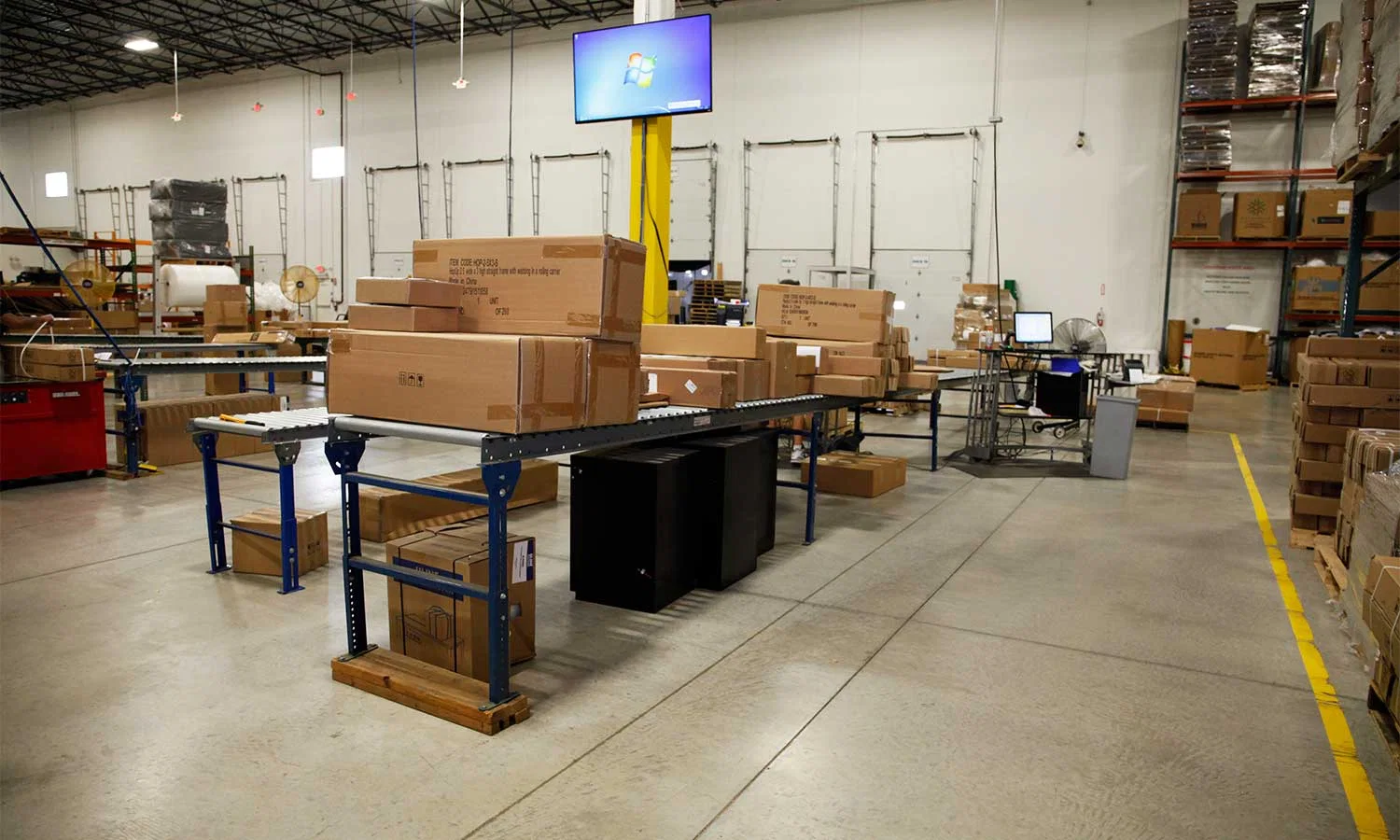
Aligning Warehouse Planning with Downtown Atlanta's Convention Density
Downtown Atlanta stands as the flagship zone for Atlanta trade shows, led by the Georgia World Congress Center, Centennial Olympic Park, and AmericasMart Atlanta, where exhibit demands peak during large conventions, public activations, and extended market weeks. The coordination begins with dissecting event manifests to allocate storage space proportional to booth footprints—often spanning multiple halls at GWCC—ensuring rental displays like tension fabric systems and LED video walls remain protected from humidity fluctuations common in this urban core. Planners forecast storage durations based on GWCC's planning guide timelines, which outline advance move-in windows for freight delivery, allowing coordinators to sequence unpacking, minor repairs, and re-crating in advance of the venue's stringent dock reservation systems.
This zone's depth of buyer-showroom traffic at AmericasMart necessitates warehouse protocols that prioritize visual inspections under showroom-grade lighting simulations, verifying color fidelity on backlit graphics and structural integrity of hanging signs before outbound shipment. Coordination extends to Centennial Olympic Park's outdoor-adjacent activations, where weather-resistant encasements for rental elements are prepped in warehouse conditions mimicking park exposure, complete with anchoring hardware inventories matched to event wind load specs. The result is a streamlined pipeline from storage to show floor, reducing idle time in downtown's congested freight elevators and marshalling yards.
Airport Corridor Logistics for Fly-In Event Readiness
The airport and College Park corridor, featuring the Georgia International Convention Center and Gateway Center Arena, caters to fly-in conferences and sports-adjacent activations where timing hinges on ATL SkyTrain connectivity and rapid delegate onboarding. The coordination here emphasizes compressed Storage to Delivery cycles, with planners using GICC floor plans to pre-configure pallet layouts that align with the venue's expansive exhibit halls and fast-turn meeting programs. Rental displays are staged for immediate uncrating upon arrival, accounting for the corridor's ground transport efficiencies from nearby storage hubs to SkyTrain-proximate loading zones.
Gateway Center Arena's event profile adds layers of coordination for arena-floor hybrids, where warehouse teams prepare modular barriers and branding risers that interface with sports seating transitions. Detailed manifests track high-value AV integrations destined for these spaces, ensuring protective foam inserts and desiccant packs maintain electronics through the airport-zone humidity. This proactive staging minimizes exposure to post-flight jet lag schedules, positioning rental assets for Plug and Play deployment amid the corridor's emphasis on convenience-driven logistics.
Suburban Zone Coordination for Cobb and Gwinnett Venues
Northwest suburban demands at the Cobb Convention Center and northeast outposts like Gas South Convention Center in the Duluth and Gwinnett corridor require advance warehouse planning attuned to regional corporate and association events, where travel radii from downtown storage points influence crating densities. Coordinators develop haul-optimized manifests that balance truckload capacities with venue ballroom proximities, pre-inspecting rental islands for compliance with Cobb's northwest submarket setup norms, including carpet tile matching and power drop configurations documented in venue ops.
Gwinnett's community expo footprint calls for versatile storage rotations, allowing quick pivots between trade show aisles and breakout session hybrids. Warehouse protocols incorporate regional trucking lanes, sequencing outbound loads to avoid peak commuter interference while verifying truss heights against convention center ceiling grids. This zone-spanning foresight ensures rental displays transition fluidly from storage to suburban exhibit floors, supporting extended activations without downtown dependency.
Timeline and Synchronization Mastery Across Zones
Mastering timelines forms the backbone of the coordination, integrating GWCC planning guide advance periods with GICC's rapid ingress slots and Cobb's regional buffers. Planners construct Gantt-linked schedules that phase storage intake with fabrication handoffs, conducting bi-weekly audits to flag discrepancies in rental component deliveries. For downtown's marathon market weeks at AmericasMart, extended storage protocols include rotation cycles to prevent material fatigue, while airport corridor events trigger Just in Time staging aligned to flight banks.
Zone interoperability demands cross-referencing venue dock calendars—GWCC's multi-day freight windows versus Gateway's arena turnover—to orchestrate consolidated shipments that bundle downtown overflow with suburban directs. This synchronization extends to post-storage reporting, providing exhibitors with serialized tracking from warehouse bay to booth address, fostering confidence in turnkey execution across Atlanta's fragmented venue landscape.
Compliance and Risk Mitigation in Warehouse Prep
Adhering to venue-specific compliance elevates the coordination, with protocols drawn from GWCC's operational PDFs mandating fire-retardant certifications on all rental textiles and foam cores prior to storage commitment. For GICC's international fly-in profile, customs-prepped documentation accompanies high-value imports in warehouse holds, streamlining border-adjacent releases. AmericasMart's showroom standards enforce gloss-level verifications on display surfaces, conducted under calibrated lighting to preempt buyer critiques.
Risk mitigation permeates every stage, from seismic bracing simulations for Centennial Park exteriors to pest control logs for extended Gwinnett holds. Coordinators embed contingency crates for common failures—like LED latch misalignments—ensuring 99% uptime projections for Cobb corporate gigs. This layered diligence transforms warehouse phases into fortified launchpads for Atlanta's zone-diverse trade show calendar.
Integration with Broader Trade Show Execution
The coordination dovetails with installation and dismantle labor management, pre-loading rental kits with sequenced tool kits matched to GWCC hall variants or GICC dock flows. Planners collaborate on exhibitor-appointed contractor handoffs, embedding QR-coded manifests that guide show floor staff from warehouse outbound to booth erects. For Centennial activations, outdoor-rated anchors ship bundled with indoor spares, accommodating weather calls without supplemental pulls.
This service bridges to general contracting oversight, where warehouse data feeds real-time dashboards tracking Atlanta zone variances—from downtown's union scales to suburban flex crews. The outcome is holistic program management, where pre-event storage yields predictive analytics on setup velocities, empowering exhibitors to scale confidently across GWCC spectacles and Cobb regionals alike.
FAQ
How does advance warehouse coordination adapt to Atlanta's multiple venue zones?
Coordination tailors storage and staging to downtown's high-density like GWCC, airport corridor's fast turns at GICC, and suburban setups at Cobb, using zone-specific manifests for optimal transitions.
What timeline considerations apply for GWCC events?
GWCC planning guides dictate advance freight windows, so coordination phases storage intake months ahead, aligning inspections with multi-hall move-in sequences.
How is compliance handled for AmericasMart market weeks?
Warehouse protocols verify fire-retardants and showroom visuals per AmericasMart standards, with extended holds supporting buyer traffic peaks.
What makes airport corridor coordination unique?
GICC and Gateway leverage SkyTrain logistics, so staging emphasizes rapid uncrating for fly-in schedules and arena hybrids.
Can suburban venues integrate with downtown storage plans?
Yes, manifests optimize hauls from central storage to Cobb and Gwinnett, balancing regional distances with venue dock calendars.
How does this service sync with installation phases?
Pre-loaded kits and QR manifests guide labor from warehouse outbound to booth erects across all Atlanta zones.
Related topics
Compare the adjacent Atlanta topics.
Inquiry
Trade Show Displays of Atlanta
Atlanta trade show display programs shaped around venue realities, reusable systems, and cleaner show-floor execution.